
Olmec Civilization
2 reportsOlmec Civilization is an ancient civilization reconstructed from settlements, texts, artifacts, chronology, environment, and exchange. Interpretation rests on trade network and geographic extent, because disturbed context, uncertain dating, or incomplete preservation can change the conclusion.
Evidence relevant to Olmec Civilization is organized around chronology and regional variation; settlement and urban organization; and material culture. The treatment of material culture keeps inscriptions or archives separate from radiometric and comparative dating until their assumptions and scales are compared; confidence is limited by the fact that surviving evidence is uneven and later narratives can oversimplify social diversity.
Evidence relevant to Olmec Civilization is organized around chronology and regional variation; settlement and urban organization; and material culture. The treatment of material culture keeps inscriptions or archives separate from radiometric and comparative dating until their assumptions and scales are compared; confidence is limited by the fact that surviving evidence is uneven and later narratives can oversimplify social diversity.
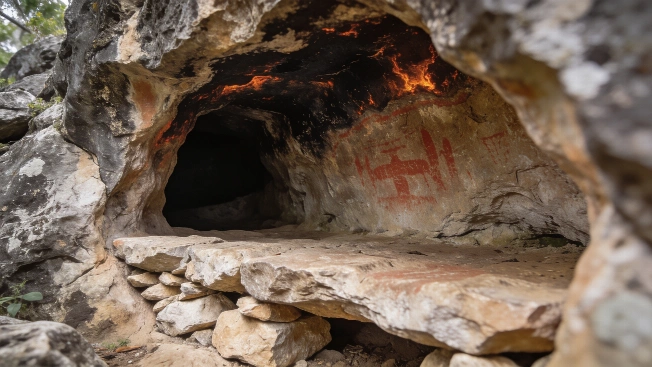
Chalcatzingo Cave Paintings Point to Teotihuacan Warrior Rituals
Soot above a stone shelf and red-painted signs inside Cave 19 at Chalcatzingo point to ceremonies for deceased warriors, while researchers say the possibility of cremation remains unconfirmed
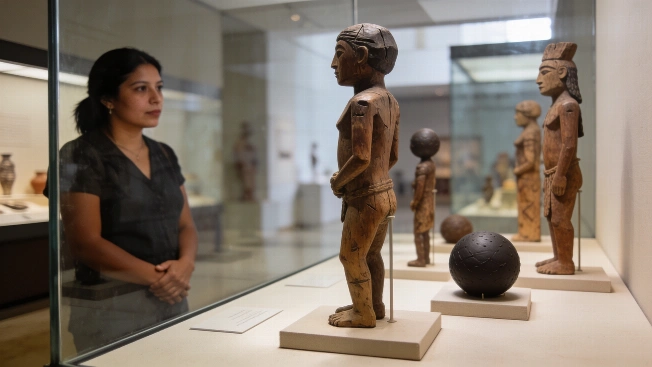
Olmec Offerings Reveal Ancient Rituals at Cerro El Manatí
Archaeologists have reunited 3,700-year-old Olmec offerings from Cerro El Manatí, including preserved wooden figures and rubber balls, alongside jadeite axes. The finds offer new evidence of early Mesoamerican ritual and belief at a sacred Veracruz site.