
Smart Grid
5 reportsNew findings about Smart Grid are placed alongside security and privacy; deployment constraints; and system architecture. The treatment of system architecture keeps independent implementation separate from benchmarks until their assumptions and scales are compared; the conclusion remains provisional because results can depend on workload, hardware, configuration, and threat model.
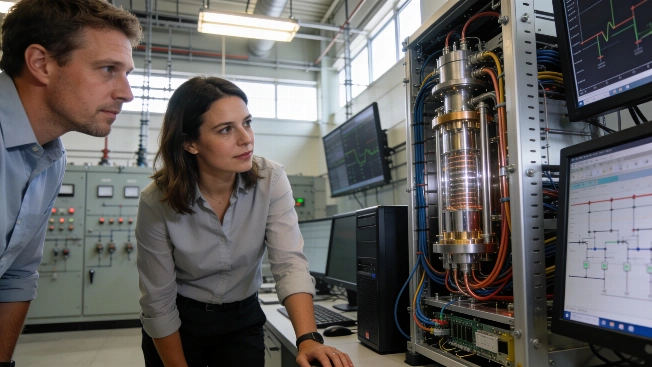
Quantum Hardware Tested for Grid Security Under AFRL Contract
Eaton, Infleqtion, and Penn State will develop and test hybrid quantum-classical algorithms on specialized quantum hardware to analyze and respond to complex threats facing electrical grids under a $7 million U.S. Air Force Research Laboratory contract
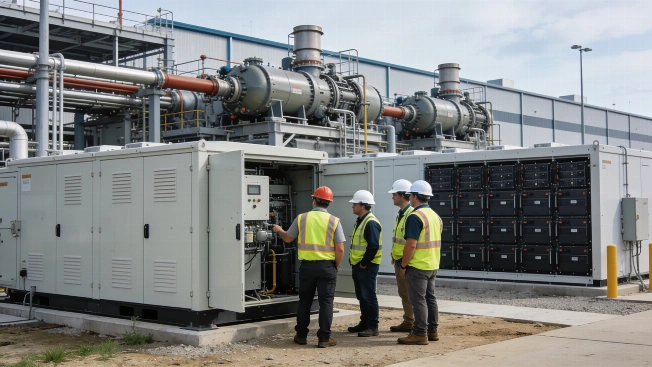
Ohio AI Data Center to Operate on 350 MW Off-Grid Microgrid
A new AI data center campus in Ohio will use a dedicated 350 megawatt microgrid, operated by Veolia, to supply all its electricity needs, bypassing the regional grid and aiming to accelerate deployment of large-scale computing infrastructure

Highstar Unveils Multi-Layer Battery Cells for AI Data Center Power
Highstar has introduced a new portfolio of battery cells designed to address the power and thermal management challenges in AI data centers, with custom chemistries for different operational layers and a focus on grid resilience
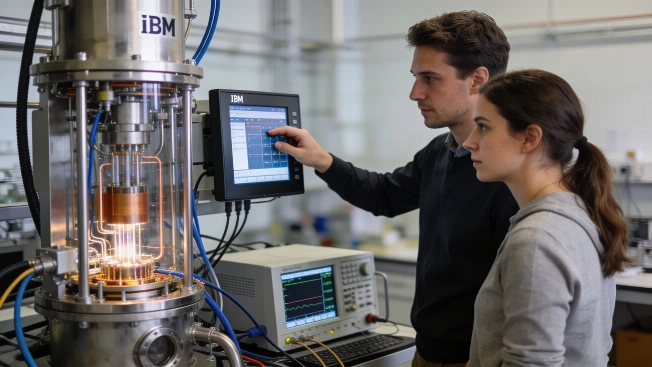
IBM Quantum Hardware Benchmarked for Smart Grid Energy Forecasting
Researchers tested hybrid quantum-classical machine learning algorithms on IBM Quantum hardware with over 100 qubits to forecast electricity demand across smart grids, comparing performance and noise sensitivity to classical methods

LED Streetlights Are Worsening Light Pollution Despite Efficiency Gains
Cities worldwide have rapidly adopted LED streetlighting for energy savings, but poor deployment and lack of digital controls have increased light pollution, undermining both environmental and public health benefits