
Experimental Archaeology
5 reportsThe main lines of inquiry around Experimental Archaeology include spatial context, while also considering interpretive assumptions and field or laboratory procedure. Before drawing conclusions about spatial context, readers can compare calibration standards with blind or comparative tests; interpretation remains cautious because disturbance, contamination, and incomplete context can narrow what the method establishes.
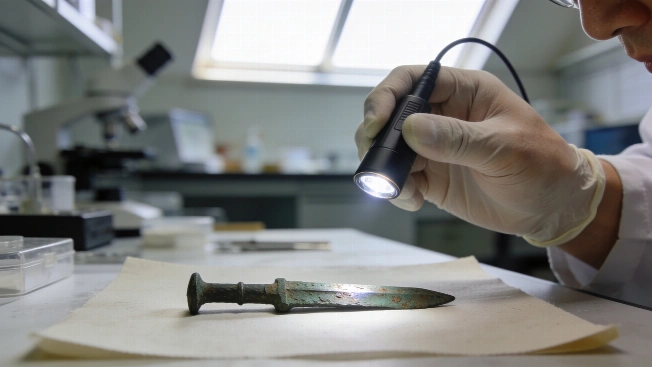
Bronze Hand Cannon Rewrites Korea's Early Firearms Record
A bronze hand cannon found during a trail safety survey in South Korea has passed X-ray and metallurgical tests. Identified as the Hwangja Hwatong after three years of analysis, it is regarded as Korea's earliest surviving firearm, although its 28-character inscription leaves two possible manufacturing dates.
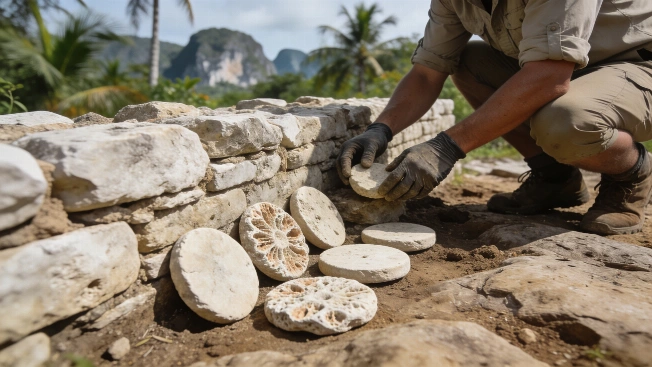
Maya Beekeeping Site Found Along the Maya Train Route
A limestone structure near Tulum may preserve evidence of pre-Hispanic stingless-bee keeping. Forty stone discs and pottery fragments could clarify how Maya households produced and stored honey, although the proposed meliponary interpretation remains provisional pending residue and contextual analyses.
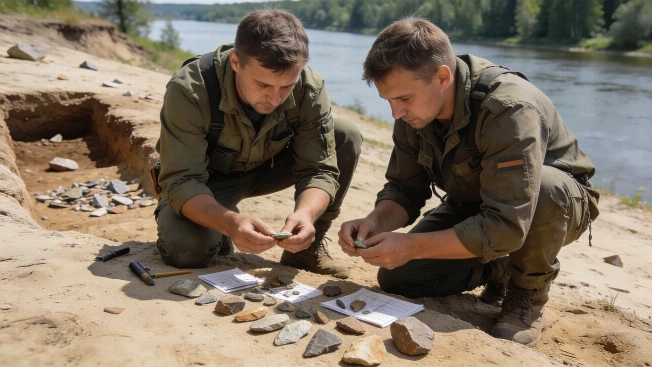
10,000-Year-Old Mesolithic Toolmaking Center Uncovered in Russia
Archaeologists excavating a Mesolithic site in northwestern Russia have recovered thousands of stone tools and manufacturing debris, revealing a large-scale tool production center dating back up to 10,000 years and offering new insight into early postglacial lifeways
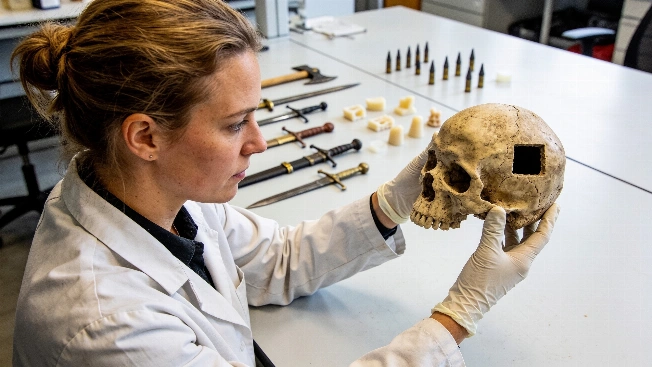
Medieval Skull Injuries at Visby Linked to Spiked Club Weapons
A new forensic analysis of 14th-century skeletons from the Battle of Visby in Sweden has identified spiked clubs as the likely cause of distinctive square cranial injuries, challenging assumptions about medieval militia training and combat methods
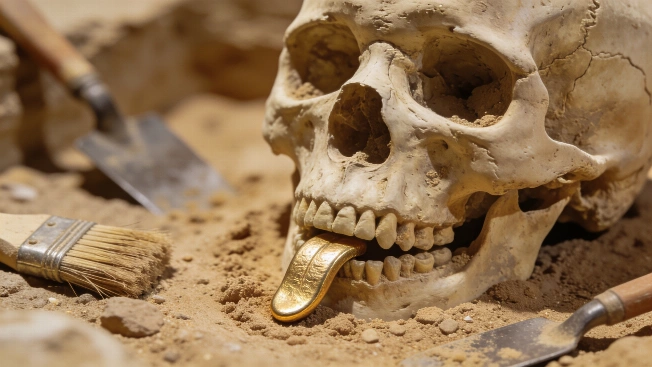
Gold Tongues in Egyptian Tombs and a New Monkey in Congo
Archaeologists have uncovered 18 tombs in Egypt containing gold tongue amulets, while researchers in the Congo rainforest have identified a new monkey species. These discoveries highlight both the complexity of ancient mortuary practices and the ongoing potential for finding new species.