
Chromatography
2 reportsChromatography is a laboratory method for preparing, separating, detecting, quantifying, or validating samples and signals. The method is judged through accuracy, instrument setup, and detection limit, especially where design choices change uncertainty or causal interpretation.
The page treats sample preparation, instrument calibration, and signal or separation principle as distinct parts of Chromatography. For signal or separation principle, the primary record comes from reference materials, with blank and control samples providing a separate test; the strongest interpretation still recognizes that matrix effects, contamination, and instrument drift can bias measurements.
The page treats sample preparation, instrument calibration, and signal or separation principle as distinct parts of Chromatography. For signal or separation principle, the primary record comes from reference materials, with blank and control samples providing a separate test; the strongest interpretation still recognizes that matrix effects, contamination, and instrument drift can bias measurements.
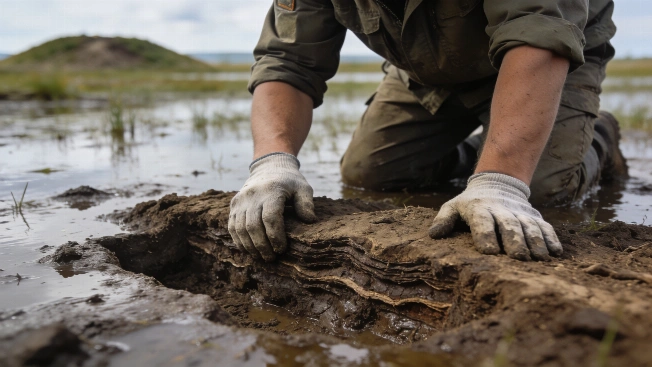
Cannabis Traces Link Seeds and Human Exposure at Siberian Burial Site
At Tunnug-1, six radiocarbon-dated seeds and cannabinoid traces in preserved hair place plant remains and human exposure in one early eighth-century BCE burial complex; the evidence cannot reveal how the compounds entered the body
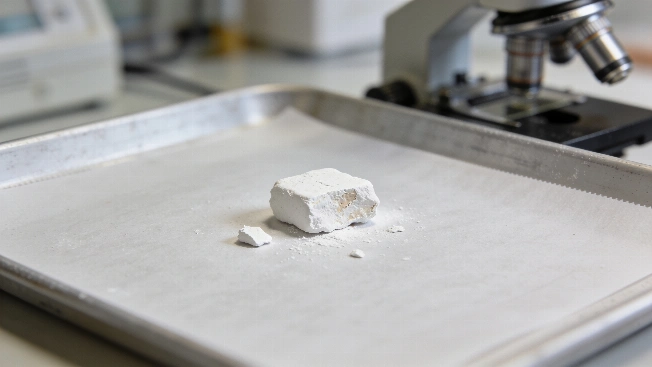
Jetyasar Cosmetics Reveal Silk Road Aromatic Trade
Chemical analysis of chalk-like pieces from two Jetyasar burials dated to the 2nd-4th centuries AD detected plant aromas, including ingredients researchers say may have traveled from India along exchange routes