
Scientific Uncertainty
3 reportsScientific Uncertainty is examined through study design, review, replication, synthesis, correction, and the communication of uncertainty. Valid use requires measurement uncertainty, confidence interval, and systematic error, with transparent assumptions and checks against bias or model misspecification.
Measurement uncertainty and confidence interval frame the evidence. The analysis addresses why models disagree and where uncertainty comes from, distinguishing correct calculation from an appropriate study design.
Measurement uncertainty and confidence interval frame the evidence. The analysis addresses why models disagree and where uncertainty comes from, distinguishing correct calculation from an appropriate study design.
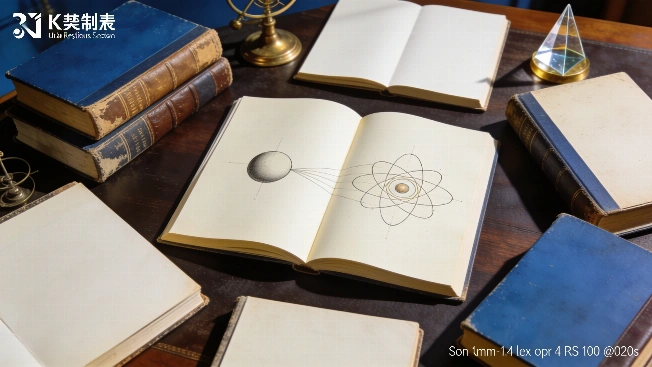
Encyclopedia Britannica Shows How Atomic Ideas Changed
Across eight editions of the Encyclopedia Britannica the atom shifts from an indivisible particle to a quantum structure. The entries show how scientific models gain authority and lose it as evidence changes
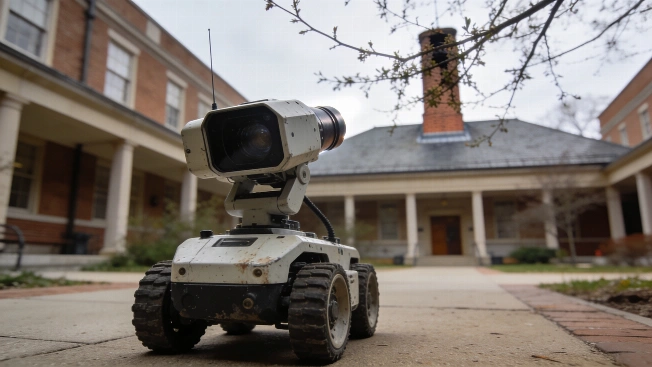
MIT Robot Memory System Corrects Uncertain Object Descriptions
UQ-DAAAM compares an object's descriptions across camera views and requests two extra captions when its uncertainty score crosses a threshold. Tests resolved ambiguities for about 92% of objects and raised description accuracy by 5%

Radar Evidence Revives Search Beyond Tutankhamun's Tomb
More than 1,200 microgravity readings and ground-penetrating radar surveys have identified low-density anomalies beyond Tutankhamun's burial chamber. The findings are consistent with possible corridors and rooms, but neither the structures nor a connection to Nefertiti has been confirmed by excavation.