
Diagnostics
4 reportsMedical imaging and false positives frame the reporting, with sensitivity providing a further check. It examines which tests remain experimental and which reference standard is used, distinguishing laboratory signals from outcomes measured in patients.
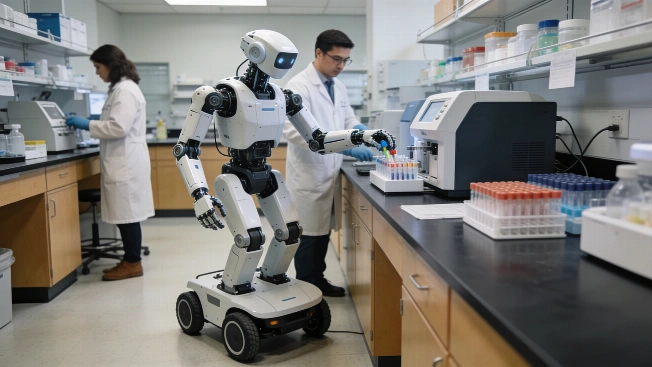
Tactus AI Unveils Elsie Robot for Clinical Lab Automation
Tactus AI has introduced Elsie, a two-armed humanoid robot designed to automate hands-on clinical laboratory tasks using existing instruments and validated procedures, aiming to address staffing shortages without major infrastructure changes
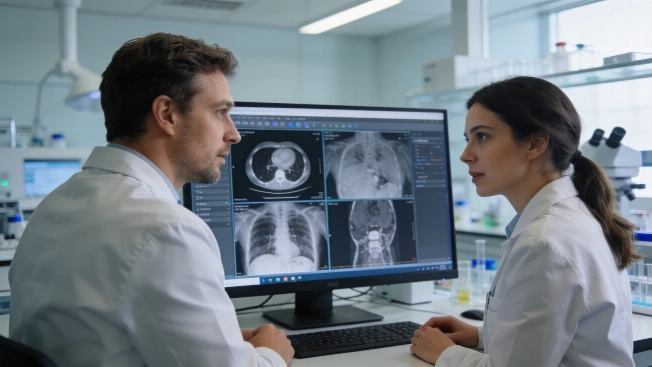
Medical AI Models Face Higher Patient Privacy Risks Than Expected
A new peer-reviewed study finds that diagnostic medical AI models can leak sensitive patient information at rates far above previous estimates, raising concerns about privacy, data security, and the need for robust technical safeguards in clinical machine learning.
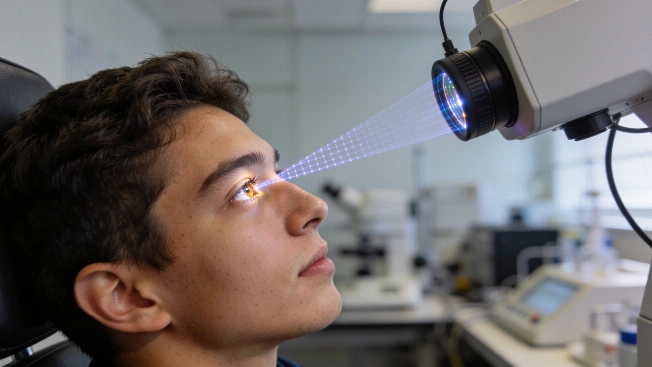
Structured light reveals new patterns for retinal health assessment
Researchers have used spin-orbit coupled light to enhance the visibility of Boehm's brushes-subtle optical patterns in peripheral vision-demonstrating a method that could enable non-invasive tests of retinal integrity using quantum optics techniques
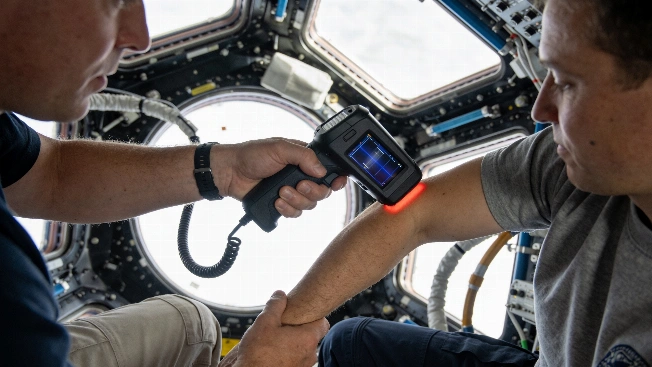
Portable X-ray Imaging System Demonstrates Diagnostic Quality in Space
A commercial portable X-ray device was operated aboard an orbital spacecraft, producing diagnostic-quality radiographs comparable to those acquired on Earth and highlighting the potential for in-flight medical imaging beyond ultrasound