
Climate Solutions
5 reportsEvidence used to assess how lifecycle emissions are calculated comes from model results and emissions reduction. The same sources help examine what limits deployment, comparing competing models without treating agreement as proof of mechanism.

UNEP report signals global temperature rise beyond Paris Agreement target
A new United Nations Environment Programme analysis finds that global average temperatures are set to exceed the 1.5°C threshold established by the Paris Agreement within years, raising the stakes for rapid emission reductions and climate adaptation
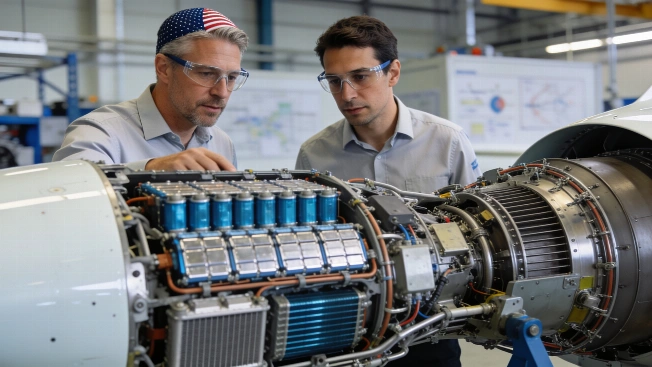
ZeroAvia and Safran Target Hydrogen-Electric Propulsion for Large Aircraft
ZeroAvia and Safran have announced a partnership to develop high-temperature hydrogen fuel cell systems for commercial aviation, aiming to address the technical barriers to zero-emission flight for larger passenger aircraft
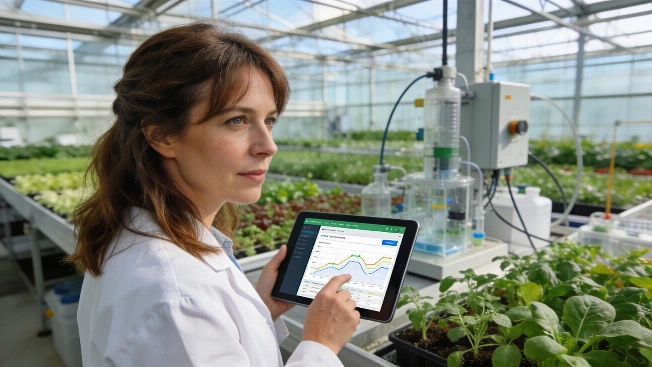
How Physics Tools Are Shaping Food System Modeling and Policy
Sarah Bridle, a physicist with a background in cosmology, is applying quantitative modeling and open-data practices from astrophysics to analyze food systems, land use, and climate impacts, revealing new challenges for sustainable agriculture

China Tests Low-Cost Catalyst to Turn Plastic Waste Into Jet Fuel
Researchers in China have demonstrated a chemical process that converts polyolefin plastic waste into aviation-grade fuel using a cobalt-nickel catalyst, but the method remains at the laboratory stage and faces significant engineering hurdles

MIT tool models climate risks for renewable energy grid planning
A new MIT framework simulates how future climate conditions could affect renewable energy infrastructure, revealing that siting decisions based on outdated weather data may increase grid failures as demand and extreme weather rise