
RISC-V
3 reportsRISC-V is computing hardware whose architecture, fabrication, performance, power use, and failure modes shape system behavior. Performance is judged through memory hierarchy, clock performance, and benchmark workload, distinguishing laboratory demonstrations from reliable use outside controlled settings.
For readers assessing RISC-V, the relevant threads are chip architecture; performance per watt; and memory and interconnects. Judgments about performance per watt are tied to power measurements and independent hardware analysis rather than prominence or repetition; the evidence is read with the caveat that vendor specifications may not represent sustained performance in real workloads.
For readers assessing RISC-V, the relevant threads are chip architecture; performance per watt; and memory and interconnects. Judgments about performance per watt are tied to power measurements and independent hardware analysis rather than prominence or repetition; the evidence is read with the caveat that vendor specifications may not represent sustained performance in real workloads.
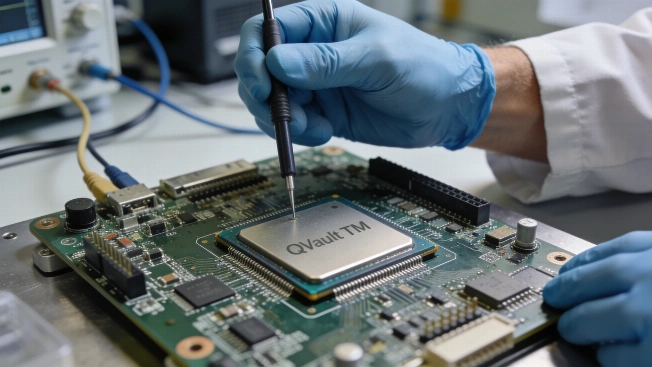
SEALSQ QVault TPM Chip Integrates Post-Quantum Cryptography in Hardware
SEALSQ's QVault TPM chip now supports hardware-isolated post-quantum cryptography through native wolfTPM integration, offering a silicon-based approach to quantum-resistant key storage and cryptographic operations for embedded systems
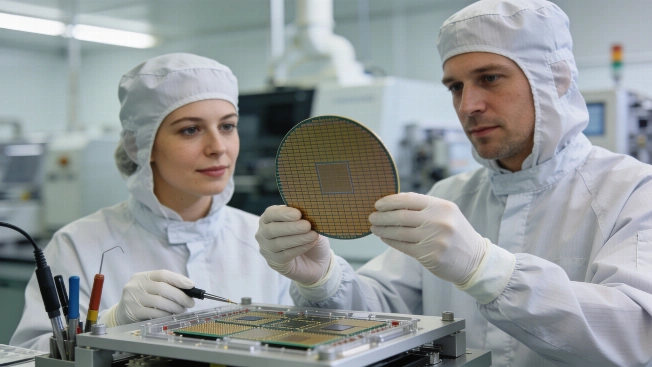
SEALSQ and IC'Alps Target 2026 for Quantum-Resistant ASIC Prototype
SEALSQ Corp and its French subsidiary IC'Alps have detailed progress on QASIC, a custom post-quantum ASIC platform aiming to embed quantum-resistant cryptography directly into application-specific silicon for sectors including automotive and healthcare
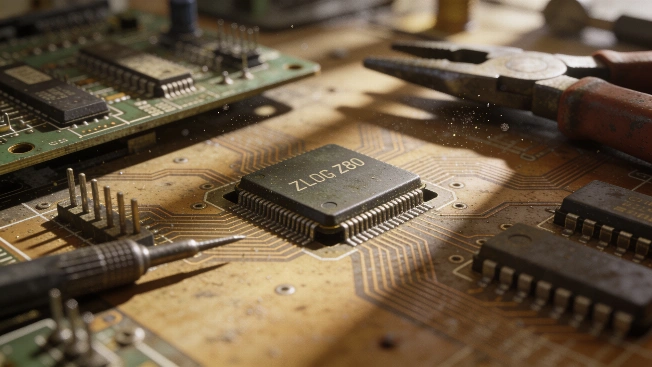
Zilog Z80 Microprocessor Ends Production After Nearly 50 Years
The Zilog Z80, a foundational 8-bit microprocessor for early computing and embedded systems, has reached end-of-life status after decades of use, raising questions about legacy hardware support and the persistence of retrocomputing communities