
Open Access
7 reportsNew findings about Open Access are placed alongside educational or policy interventions; measured outcomes; and definitions and assessment. Conclusions concerning educational or policy interventions remain tied to validated assessments, classroom or community studies, and transparent methods; confidence is limited by the fact that test performance may not capture how people evaluate evidence in real decisions.

Quantum Software Survey Maps the People Behind the Field
The Unitary Foundation has opened its 2026 Quantum Open Source Software survey to map demographics, research, tools and platforms while building a public record of how the community changes.
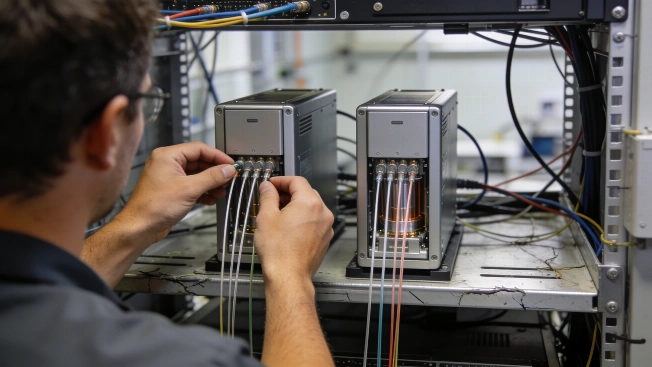
memQ Releases Compiler for Heterogeneous Quantum Networks
memQ has released an open-source compiler that converts monolithic quantum circuits into network-aware execution graphs and models entanglement costs across heterogeneous QPUs
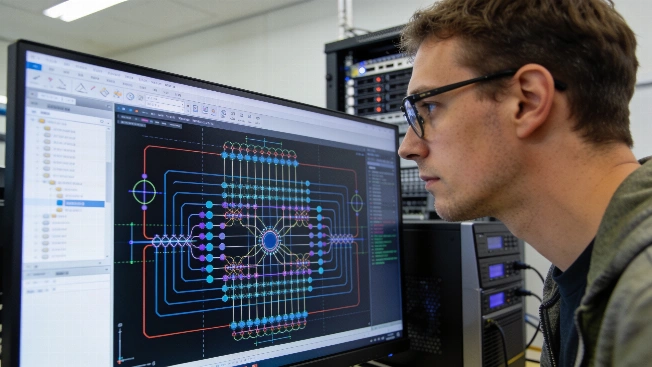
Fujitsu Releases OpenQARP to Tackle Quantum Software Complexity
Fujitsu has released OpenQARP, an open-source quantum application framework with over 100 modular components. The package is designed to reduce code complexity for chemistry, materials, and optimization workflows on NISQ and future fault-tolerant quantum systems.
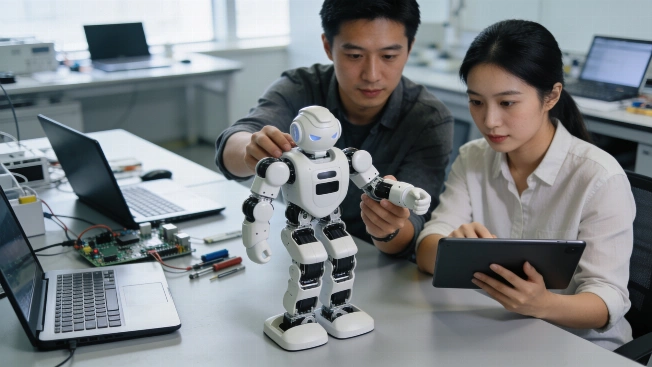
Zeroth releases Bridge robot and open-source platform for embodied AI
Zeroth has launched Bridge, a desktop-sized humanoid robot built for AI research, along with OpenBridge, an open-source platform for sharing robot skills and development tools. The system is aimed at researchers and hardware builders interested in real-world embodied AI.
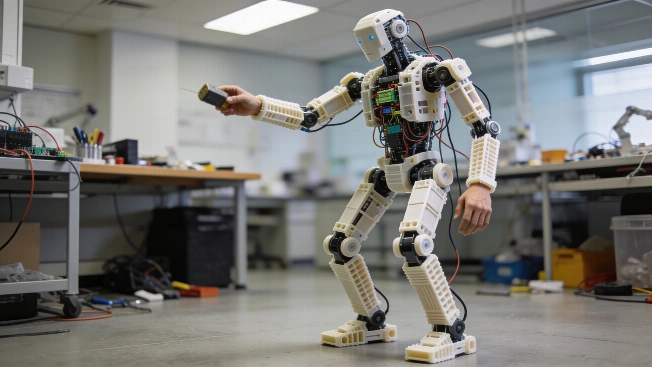
Berkeley Humanoid Lite Uses 3D-Printed Actuators to Slash Robot Costs
A research team at UC Berkeley has released the open-source Berkeley Humanoid Lite, a customizable robot platform built with 3D-printed actuators and off-the-shelf parts, aiming to lower the barrier to humanoid robotics research and experimentation
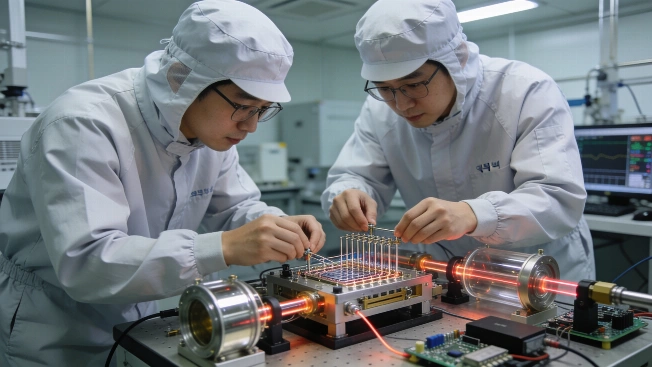
SDT to Manufacture Open-Source Trapped-Ion Quantum Processors
South Korean firm SDT will fabricate trapped-ion quantum processing units based on Open Quantum Design's open-source hardware, aiming to make reproducible quantum computers accessible to research and defense users worldwide
New Microgrant Fund Targets Open-Source Quantum Error Correction Tools
Riverlane and Unitary Foundation have launched a quarterly microgrant program to support global developers building open-source quantum error correction software, aiming to address foundational challenges in quantum computing infrastructure