
New Horizons
5 reportsCoverage distinguishes how trajectory and operations; instrument data releases; and engineering status shape the interpretation of New Horizons. One line of support comes from calibrated observations, and a separate test comes from peer-reviewed mission results; together they clarify instrument data releases, but interpretation remains cautious because prelaunch goals must be separated from measurements actually returned.

NASA adds new Goldstone antenna to expand deep space communications
NASA has activated a new 34-meter antenna at Goldstone to increase the Deep Space Network's capacity as Artemis and other missions strain existing communications infrastructure.

Pluto's Planet Status Revisited as Astronomers Debate IAU Definition
Two decades after Pluto was reclassified as a dwarf planet, new observations and ongoing debate among planetary scientists are challenging the criteria that define what counts as a planet in our solar system.

Pluto's Atmosphere Shows Signs of Collapse as It Moves Away from the Sun
Astronomers tracking Pluto's atmosphere through stellar occultations have measured a drop in pressure, suggesting its nitrogen-rich envelope is beginning to freeze out as the dwarf planet recedes from the Sun

New Horizons Resumes Science at Solar System's Edge After Hibernation
NASA's New Opportunities spacecraft has emerged from a 321-day hibernation and is transmitting data from the outer solar system as it prepares to study the boundary between the Sun's influence and interstellar space with its advanced instruments.
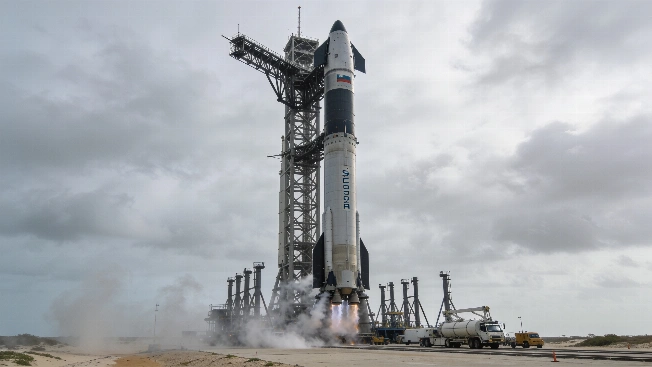
SpaceX Starship Test Aborted as Defense and Science Missions Advance
SpaceX's Starship Flight 13 test launch was halted seconds before liftoff, highlighting ongoing technical challenges as the company expands its role in US military and scientific space operations