
Mesopotamia
3 reportsMesopotamia is an ancient civilization reconstructed from settlements, texts, artifacts, chronology, environment, and exchange. Reconstruction depends on chronological period, material culture, and trade network, with provenance and stratigraphy used to separate evidence from later storytelling.
The subject is made concrete through settlement and urban organization; material culture; and trade and exchange in reporting on Mesopotamia. Complementary views of trade and exchange come from inscriptions or archives and radiometric and comparative dating, but the conclusion remains bounded because the evidence cannot remove the concern that surviving evidence is uneven and later narratives can oversimplify social diversity.
The subject is made concrete through settlement and urban organization; material culture; and trade and exchange in reporting on Mesopotamia. Complementary views of trade and exchange come from inscriptions or archives and radiometric and comparative dating, but the conclusion remains bounded because the evidence cannot remove the concern that surviving evidence is uneven and later narratives can oversimplify social diversity.
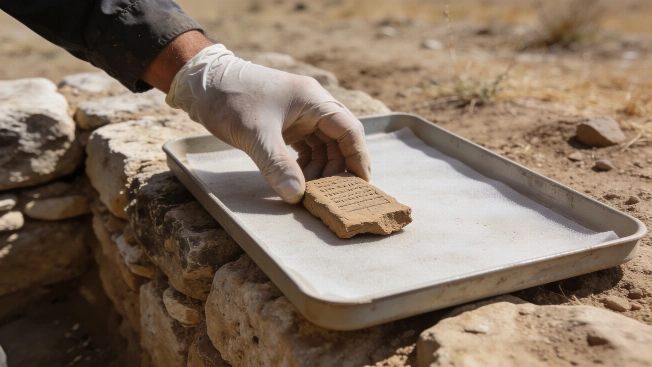
Hattusa Fragment Reconnects a Piece of the Kadesh Treaty
A newly identified cuneiform fragment from Hattusa belongs to the Hittite version of the Kadesh Peace Treaty and preserves clauses on fugitives who crossed between Egypt and Anatolia
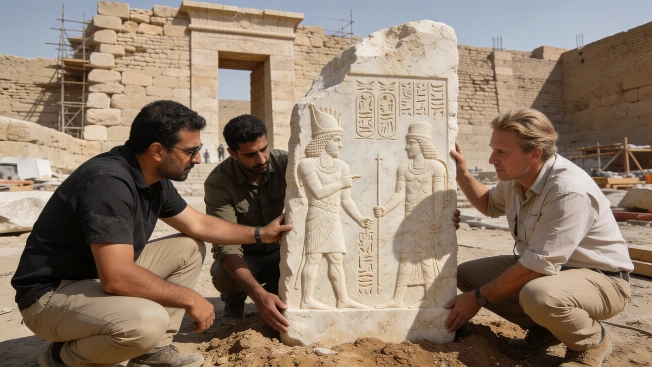
Assyrian Royal Stele Discovered at Nineveh's Sun Gate
Archaeologists working at the Sun Gate of ancient Nineveh have uncovered a monumental Assyrian stele inscribed with records of King Ashurbanipal's building projects, offering new evidence for royal activity in the seventh century BCE
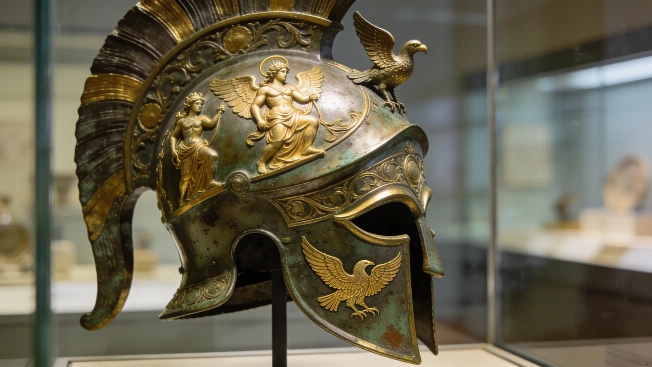
Bronze Elamite Helmet Reveals Ancient Deities and Battlefield Symbolism
A rare bronze helmet from southwestern Iran, dated to 1500-1100 BCE, features gold-plated divine figures and a raptor motif. Researchers analyze its construction, iconography, and uncertain archaeological context to interpret its significance.