
Life-Cycle Assessment
3 reportsLife-Cycle Assessment is a sustainability solution evaluated through environmental performance, cost, durability, and system-wide tradeoffs. Claims about capability are tested through equity effect, lifecycle assessment, and implementation cost, with attention to scale, failure modes, comparability, and operating conditions.
For readers assessing Life-Cycle Assessment, the relevant threads are resource use, together with life-cycle impacts and economic constraints. Evidence about resource use is ranked by the quality of comparison with existing systems and the independence of field trials; benefits can shift when supply chains, rebound effects, and local conditions are included.
For readers assessing Life-Cycle Assessment, the relevant threads are resource use, together with life-cycle impacts and economic constraints. Evidence about resource use is ranked by the quality of comparison with existing systems and the independence of field trials; benefits can shift when supply chains, rebound effects, and local conditions are included.

LED Streetlights Are Worsening Light Pollution Despite Efficiency Gains
Cities worldwide have rapidly adopted LED streetlighting for energy savings, but poor deployment and lack of digital controls have increased light pollution, undermining both environmental and public health benefits
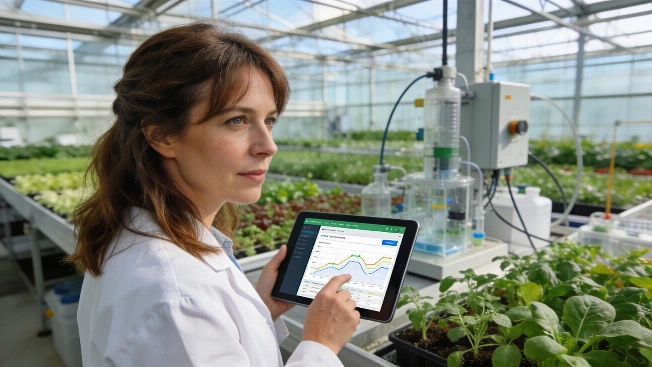
How Physics Tools Are Shaping Food System Modeling and Policy
Sarah Bridle, a physicist with a background in cosmology, is applying quantitative modeling and open-data practices from astrophysics to analyze food systems, land use, and climate impacts, revealing new challenges for sustainable agriculture

China Tests Low-Cost Catalyst to Turn Plastic Waste Into Jet Fuel
Researchers in China have demonstrated a chemical process that converts polyolefin plastic waste into aviation-grade fuel using a cobalt-nickel catalyst, but the method remains at the laboratory stage and faces significant engineering hurdles