
Kessler Syndrome
3 reportsKessler Syndrome is a space-safety concept used to identify hazards, estimate risk, prevent failures, and plan operational responses. Understanding depends on debris tracking, crew safety, and incident investigation, including the conditions under which a model, proof, or explanation applies.
Research connected with Kessler Syndrome is followed through incident investigation, together with object tracking and collision probability. The strength of statements about incident investigation depends on how well conjunction assessments is supported by post-event analysis; the conclusion remains provisional because incomplete observations and uncertain orbits can limit risk estimates.
Research connected with Kessler Syndrome is followed through incident investigation, together with object tracking and collision probability. The strength of statements about incident investigation depends on how well conjunction assessments is supported by post-event analysis; the conclusion remains provisional because incomplete observations and uncertain orbits can limit risk estimates.
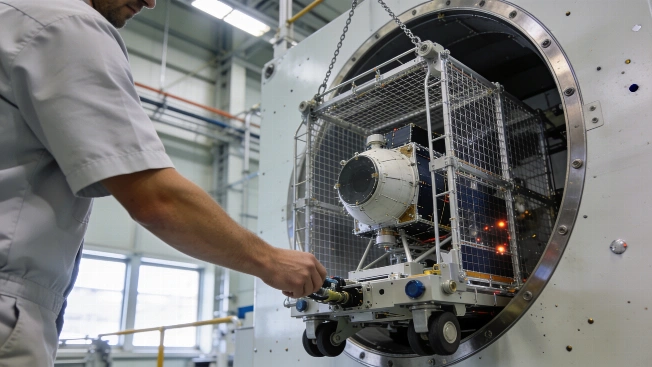
Why Real Space Salvage Cannot Work Like Hardspace: Shipbreaker
Hardspace: Shipbreaker turns derelict spacecraft into profitable scrap, but ESA's ClearSpace-1 shows why real debris removal must avoid fragmentation, stabilize tumbling targets, and control reentry
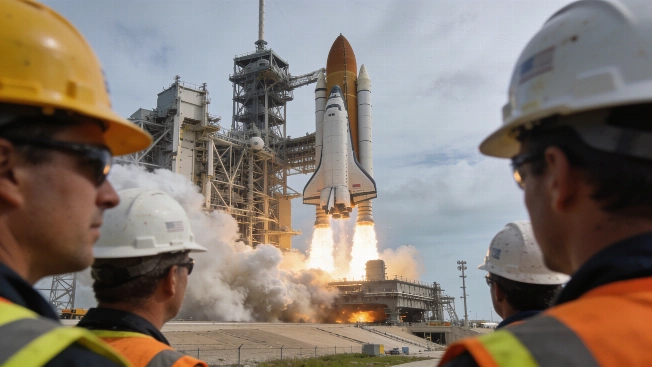
Rocket Launch Costs Plummet but New Barriers Emerge for Space Access
A new analysis of more than 4,400 launches reveals that the average cost to send a kilogram to orbit has dropped by 96% since 1960, but future reductions may be limited by debris, market dominance, and geopolitical shifts
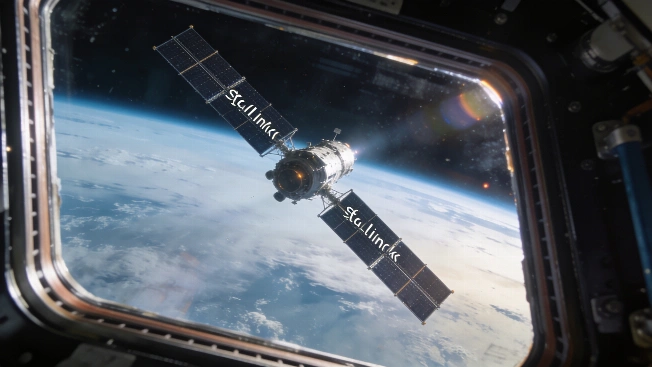
Starlink Satellites Face Near-Constant Collision Avoidance in Orbit
SpaceX's Starlink satellites have performed hundreds of thousands of collision avoidance maneuvers in the past year, highlighting the growing challenge of managing orbital traffic and the risks posed by increasing satellite numbers