
Homo erectus
2 reportsHomo erectus is a hominin studied through fossils, comparative anatomy, ancient DNA, dating, and archaeological context. Evidence comes from ancient DNA, locomotion, and geological age, and competing models remain viable when observations are sparse or indirect.
Coverage distinguishes how ancient dna, while also considering geological age and skeletal anatomy shape the interpretation of Homo erectus. The account follows independent genetic or proteomic evidence as the direct record and dated fossils as the broader comparison for skeletal anatomy; small samples and fragmentary remains can change species assignments.
Coverage distinguishes how ancient dna, while also considering geological age and skeletal anatomy shape the interpretation of Homo erectus. The account follows independent genetic or proteomic evidence as the direct record and dated fossils as the broader comparison for skeletal anatomy; small samples and fragmentary remains can change species assignments.
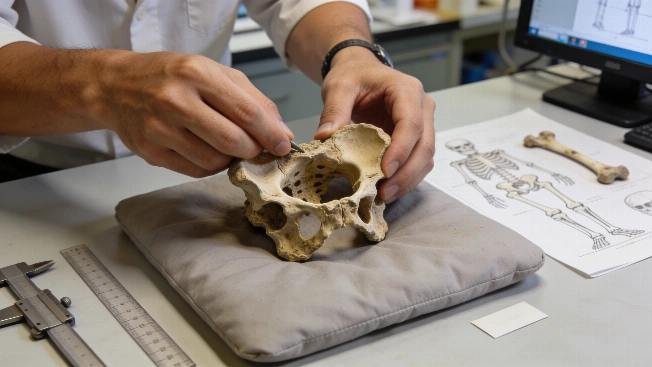
Homo floresiensis Pelvis Reveals Human-Like Walking in Ancient 'Hobbits'
A new analysis of pelvic bones from Homo floresiensis suggests this small-bodied hominin walked upright in a way more similar to humans than to earlier australopithecines, raising new questions about its evolutionary origins

Ancient DNA Reveals Two Unknown Human Lineages in Modern Genomes
A new genome analysis method has identified traces of two previously unknown extinct human lineages in the DNA of living people, offering fresh insight into ancient population interactions and the complexity of human evolution