
Hayabusa2
4 reportsThe documented context of Hayabusa2 includes trajectory and operations; instrument data releases; and engineering status. The discussion asks what can be established from telemetry about instrument data releases and whether a compatible result appears in calibrated observations; any broad claim must allow for the fact that prelaunch goals must be separated from measurements actually returned.
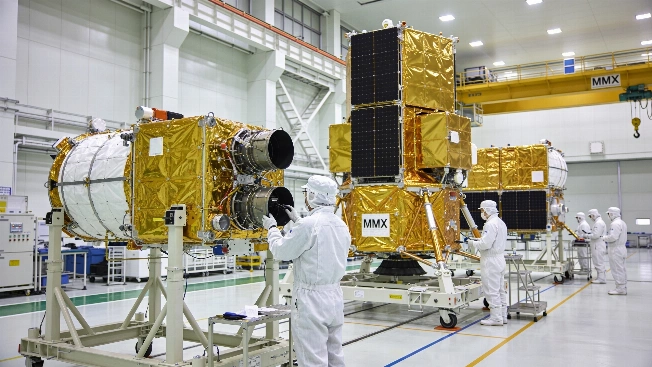
Japan Prepares MMX Spacecraft for Mars Moon Sample Return Launch
Japan has unveiled its MMX spacecraft, scheduled to launch on October 19, 2026, to collect and return samples from Mars' moon Phobos. The mission will test sample-return technology and address basic questions about the origins of Mars' moons.
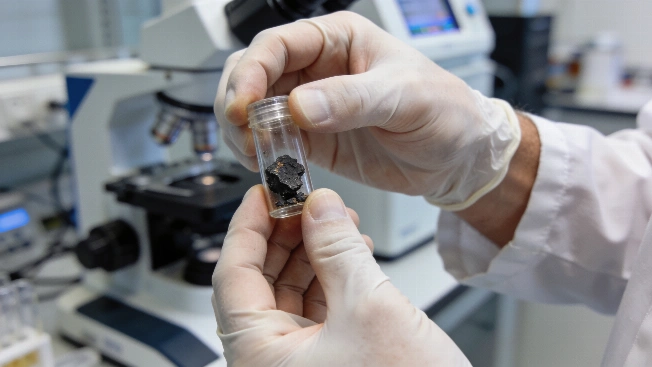
Asteroid Samples Reveal DNA and Protein Building Blocks in Space
Laboratory analysis of asteroid material returned to Earth has identified all five nucleobases found in DNA and RNA, as well as multiple amino acids. The findings suggest that the chemical ingredients for life are common in the solar system and beyond.
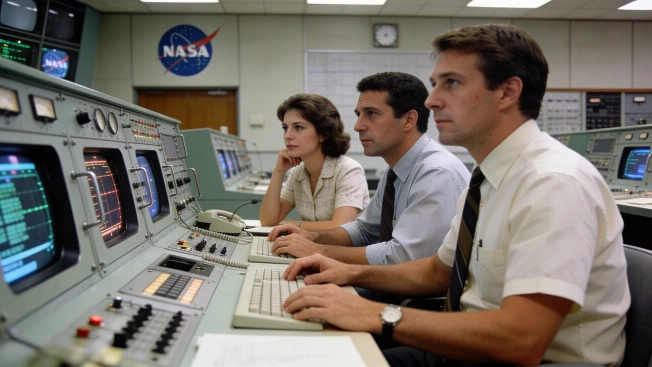
How NASA Langley Engineered the First Mars Landings
Fifty years after Viking 1 and 2 touched down on Mars, the engineering and mission design led by NASA's Langley Research Center remain central to how planetary landings are planned and executed across the solar system.
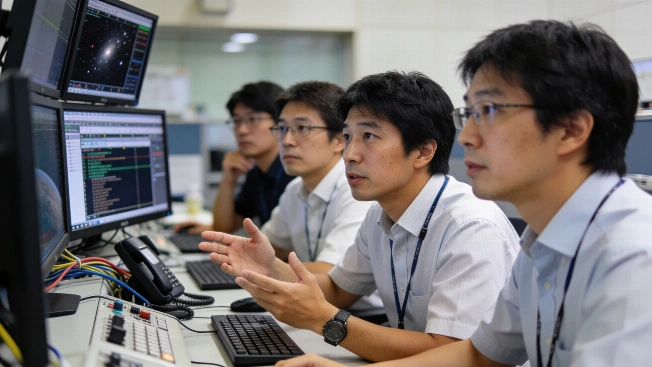
Hayabusa2's Risky Asteroid Flyby Yields Unprecedented Close-Up Data
Japan's Hayabusa2 spacecraft has captured detailed images and thermal data of the near-Earth asteroid Torifune after a high-speed flyby, following intense debate over the mission's safety and scientific value.