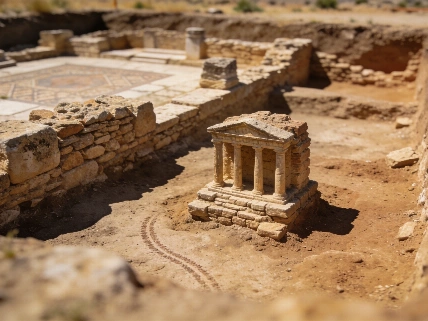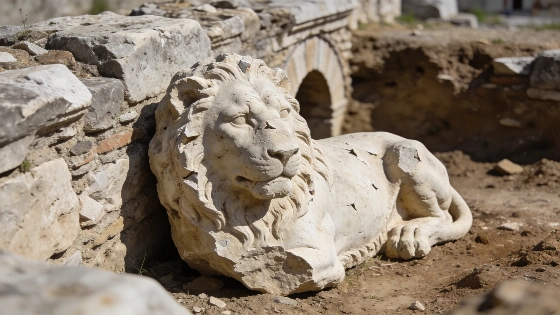
At Porta Barete, the incomplete limestone figure is linked to a monumental entrance that predates the medieval gate. Excavators proposed it may have paired with another lion, though no second sculpture has been identified
A Roman-period limestone lion from the Porta Barete archaeological area in L'Aquila was recovered on 11 November 2026, after remaining buried and obscured by vegetation for more than a decade. The Soprintendenza Archeologia, Belle Arti e Paesaggio per L'Aquila e Teramo carried out the recovery in the presence of the Carabinieri's Nucleo Tutela Patrimonio Culturale of L'Aquila. The incomplete sculpture retains formal and technical qualities considered archaeologically significant, according to Il Giornale dell'Arte.
Excavators first uncovered the lion in 2014, about 12 years before its recovery. After its removal from the site, it was entrusted to the Accademia di Belle Arti dell'Aquila for initial conservation checks and documentation ahead of restoration. Specialists are expected to examine the stone, manufacturing techniques and state of preservation to determine suitable conservation measures.
An Earlier Entrance
The lion's archaeological context links it to a monumental entrance that stood in the area before medieval Porta Barete was built. Archaeologists have proposed that the sculpture stood beside one side of the earlier entrance and may have formed a pair with a second lion opposite. That sculpture has not been identified. In this interpretation, the lions served as monumental guardians or visual markers rather than as components of the gateway's defensive architecture.
The Roman-era feature therefore represents an earlier phase in the history of the Porta Barete area, before the medieval entrance and its role in L'Aquila's walls. The recovery is being treated by the Soprintendenza as evidence relevant to the monumentality of the ancient city's entrances and the development of this part of L'Aquila.
The site's archaeological context also matters in studies of other ancient objects: analysis of Jetyasar burial offerings used chemical traces to investigate plant aromas in material from two burials.
Assessment and documentation of the lion are to precede restoration. Plans for presenting it to the public will be determined after that work; the recovery marks its return to institutional care, while conservation and display arrangements remain the next steps.