
Pollution
3 reportsPollution research examines an ecological resource, pressure, response, or human-environment relationship using field data. Researchers test interpretations with environmental monitoring, soil contamination, and primary observations, while incomplete records, model assumptions, and measurement limits constrain certainty.
Air pollutants, exposure pathways, and direct observations provide separate checks. Together they examine what health effects are supported and how cleanup effectiveness is tested, showing how sparse measurements or incomplete records limit certainty.
Air pollutants, exposure pathways, and direct observations provide separate checks. Together they examine what health effects are supported and how cleanup effectiveness is tested, showing how sparse measurements or incomplete records limit certainty.

NASA Aircraft Will Track Farm Pollution Over Colorado
NASA's FarmFlux airborne campaign is planned to begin with low-altitude flights over Colorado farmland in fall 2026. It will measure methane, ozone, ammonia and particulates, along with other pollutants, while tracing nitrogen exchange between agricultural systems and the atmosphere.

LED Streetlights Are Worsening Light Pollution Despite Efficiency Gains
Cities worldwide have rapidly adopted LED streetlighting to save energy, but poor deployment and a lack of digital controls have increased light pollution, undermining environmental and public health benefits.
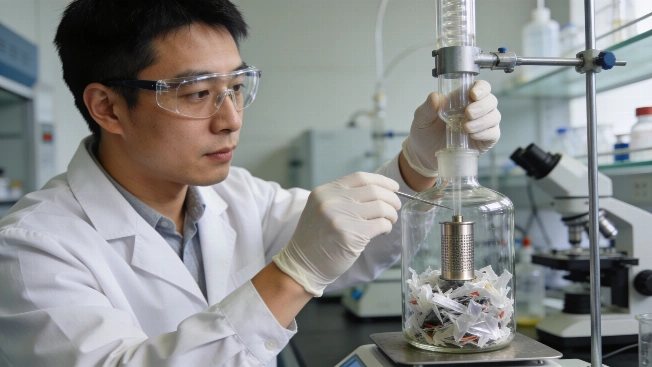
China Tests Low-Cost Catalyst to Turn Plastic Waste Into Jet Fuel
Researchers in China have demonstrated a chemical process that converts polyolefin plastic waste into aviation-grade fuel with a cobalt-nickel catalyst. The method remains at the laboratory stage and faces impressive engineering hurdles.