
Infectious Disease
3 reportsInfectious Disease is examined through biological mechanisms, diagnostic evidence, population studies, and carefully interpreted clinical research. Reliable conclusions require antimicrobial treatment and genomic epidemiology, while early mechanisms or correlations cannot substitute for validated clinical outcomes.
Incubation period and vaccination form a case with different strengths and limits. Reports examine how resistance is measured and how the infection spreads, keeping association separate from causation or demonstrated treatment benefit.
Incubation period and vaccination form a case with different strengths and limits. Reports examine how resistance is measured and how the infection spreads, keeping association separate from causation or demonstrated treatment benefit.
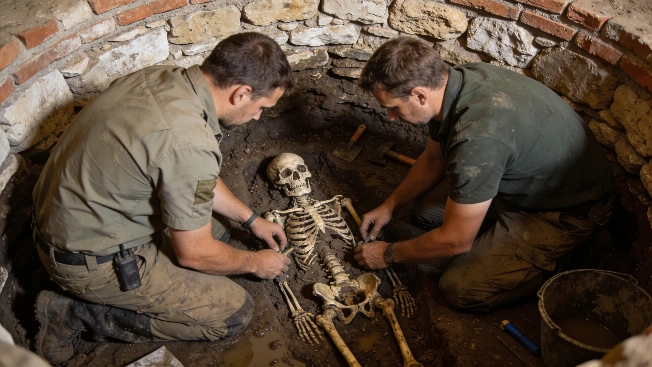
Roman-Era Well in Croatia Yields 43 Skeletons Linked to Ancient Plague
Archaeologists have examined 43 skeletons from a Roman-period well in Osijek, Croatia. The absence of trauma suggests these individuals may have died during a third-century epidemic, offering new insight into ancient disease and burial practices.
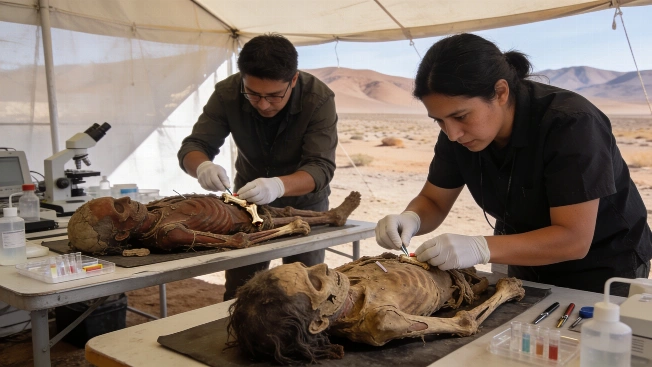
Ancient Inca Mummies Yield Earliest Smallpox DNA in the Americas
Researchers have recovered ancient smallpox DNA from two Inca mummies in northern Chile, providing the first direct molecular evidence that European-introduced smallpox reached South America during the early colonial period

Modeling Study Traces 1789 Smallpox Outbreak to British Arrival
A new modeling study uses historical and epidemiological data to argue that the 1789 smallpox epidemic among Indigenous Australians likely began with British medical material brought by the First Fleet, challenging earlier theories of northern introduction