
Brain and Mental Health
3 reportsResearch on Brain and Mental Health examines a health question through mechanisms, diagnosis, population evidence, and clinical studies. Reliable conclusions require patient reported outcomes, neuroimaging, and mental health epidemiology, while early mechanisms or correlations cannot substitute for validated clinical outcomes.
Brain circuits and psychiatric diagnosis make up the scientific record used here. Its limits become clearer when asking how brain function is measured and what neuroimaging can reveal, distinguishing laboratory signals from outcomes measured in patients.
Brain circuits and psychiatric diagnosis make up the scientific record used here. Its limits become clearer when asking how brain function is measured and what neuroimaging can reveal, distinguishing laboratory signals from outcomes measured in patients.
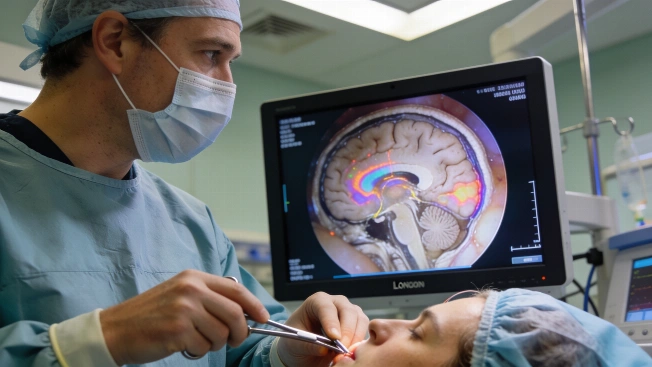
Machine Vision System Guides Surgeons in Live Brain Tumor Removal
A machine-learning system processed live endoscopic video to help surgeons identify critical anatomy during a pituitary tumor operation, aiming to reduce the risk of vision loss in a high-stakes clinical trial in London
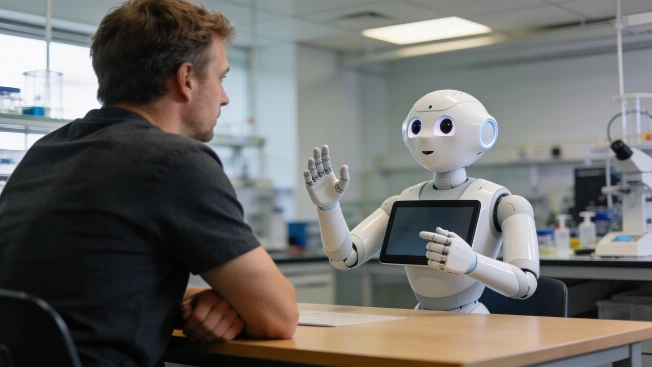
Expressive Humanoid Robots Lose User Trust Rapidly After Errors
A Drexel University study found that people quickly trust expressive humanoid robots, but even minor conversational mistakes can cause trust to collapse, raising new challenges for social robot design in healthcare, education, and homes
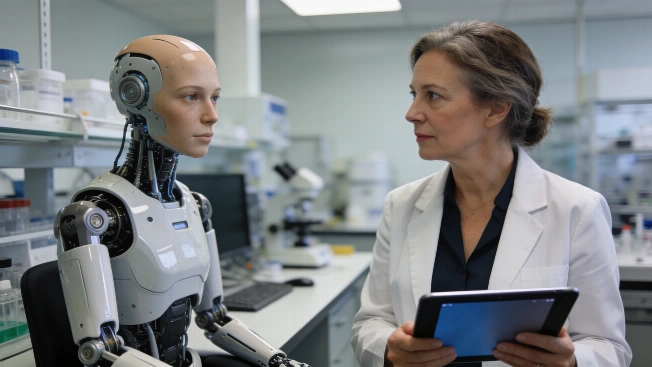
Digital DNA Robots Proposed to Simulate Identity After Death
A US-based project proposes using quantum-powered humanoid robots to simulate a person's identity after death by transferring their digital DNA, but the claims await independent verification and raise major technical and ethical questions