
Atmospheric Chemistry
1 reportResearch on Atmospheric Chemistry investigates chemical structure, reactions, measurement, energy, or material properties under defined conditions. The concept is evaluated through atmospheric radicals and airborne measurements, keeping formal definitions and assumptions separate from observations or consequences.
Reports set testable consequences beside worked examples and airborne measurements. This comparison addresses which reactions control ozone and how aerosols affect climate, showing where limiting cases or counterexamples restrict the explanation.
Reports set testable consequences beside worked examples and airborne measurements. This comparison addresses which reactions control ozone and how aerosols affect climate, showing where limiting cases or counterexamples restrict the explanation.
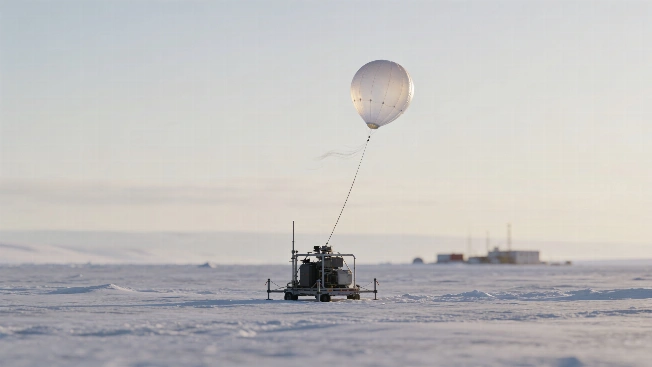
Antarctic Ozone Hole Ranked Seventh Largest in 2026
NASA and NOAA measured a 9.6 million-square-mile Antarctic ozone hole across the 2026 depletion season. Balloon readings show it was broad but less severe in ozone concentration than past record lows