
Transformer Model
3 reportsTransformer Model is an artificial intelligence system shaped by model architecture, training data, computing resources, and evaluation design. Claims about capability are tested through failure modes, training corpus, and inference system, with attention to scale, failure modes, comparability, and operating conditions.
Coverage distinguishes how benchmark results, while also considering deployment safeguards and model architecture shape the interpretation of Transformer Model. Before drawing conclusions about benchmark results, readers can compare independent red-team tests with real-world error analysis; the evidence cannot remove the concern that closed data, changing versions, and prompt sensitivity can make comparisons difficult.
Coverage distinguishes how benchmark results, while also considering deployment safeguards and model architecture shape the interpretation of Transformer Model. Before drawing conclusions about benchmark results, readers can compare independent red-team tests with real-world error analysis; the evidence cannot remove the concern that closed data, changing versions, and prompt sensitivity can make comparisons difficult.
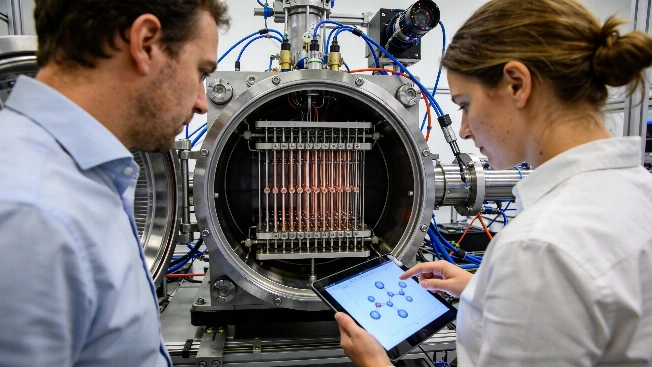
AI-Generated Quantum Circuits Tested on 98-Qubit Trapped-Ion Hardware
A collaboration between Quantinuum, NVIDIA, and Pfizer has demonstrated an AI-driven framework for generating quantum circuits, executing them on a 98-qubit trapped-ion processor to model pharmaceutical molecules
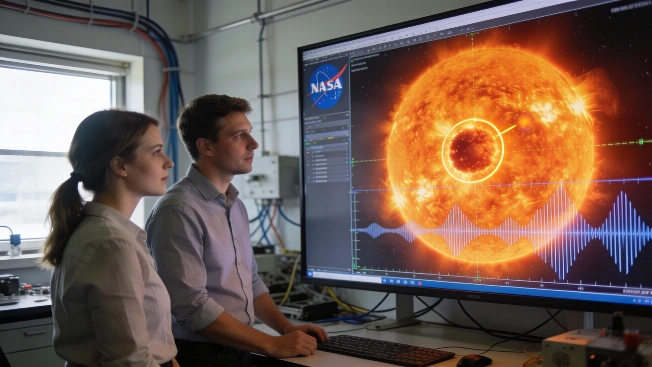
NASA AI Model Predicts Sunspot Emergence Hours Before Surface Appearance
A NASA-led team has developed an AI model that analyzes acoustic and magnetic data from the Sun to forecast the emergence of active regions up to 12 hours in advance, offering new potential for space weather prediction
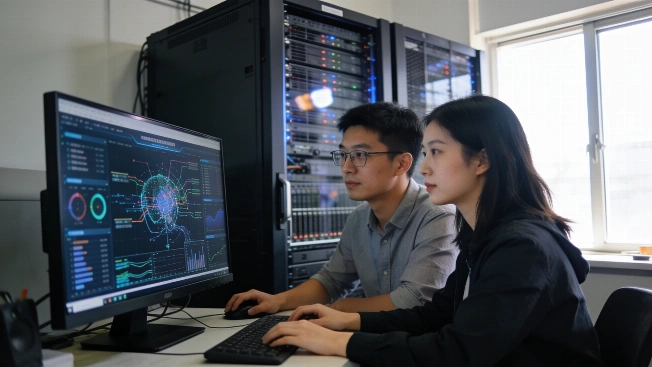
Moonshot AI Releases Kimi K3, a 2.8 Trillion Parameter Open Model
Moonshot AI has introduced Kimi K3, an open-source model with 2.8 trillion parameters and a one-million-token context window, targeting complex scientific and coding workflows. The company claims performance gains, but key limitations remain