
TESS
4 reportsThe documented context of TESS includes instrument calibration and survey data products, with separate attention to spectral or imaging analysis. Interpretation of survey data products depends on the agreement between instrument characterization and independent analyses; the result is bounded by the possibility that sensitivity, resolution, and selection effects constrain interpretation.
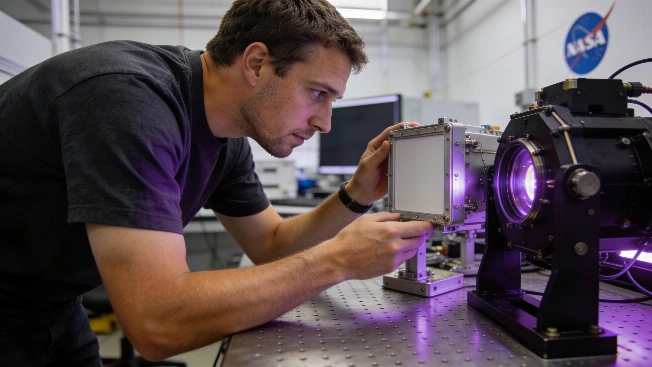
Hubble Data Point to a Possible Planet Born After Its Star Died
Reanalyzed NASA Hubble spectroscopy and archival FUSE ultraviolet data reveal extreme niobium enrichment around the white dwarf HS 0209+0832, while TESS detected a 4.4-day brightness cycle consistent with-but not proving-the presence of a close-orbiting gas-giant candidate.
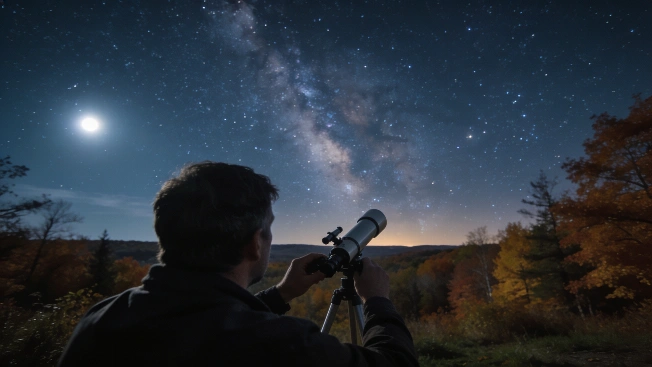
Algol's Blinking Eye Reveals an Eclipsing Star System
Algol appears to blink because two stars regularly eclipse each other. NASA's TESS data records the change while Perseus and the Witch Head Nebula add darker targets to October's night sky.
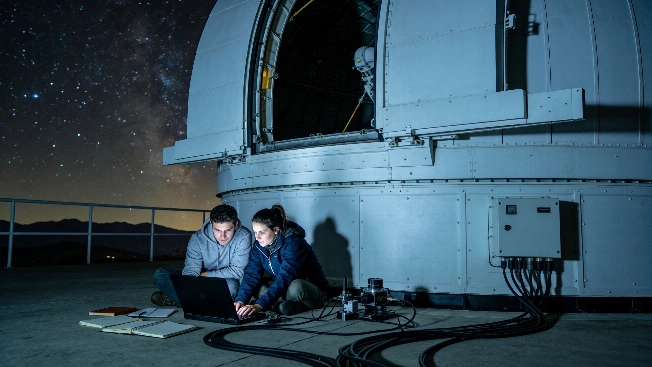
Discovery of GJ 523b Challenges Theories of Rocky Planet Formation
Astronomers have identified GJ 523b, a rocky exoplanet over 23 times Earth's mass, using TESS and ground-based spectroscopy, raising new questions about how such dense worlds form and retain-or lose-their atmospheres
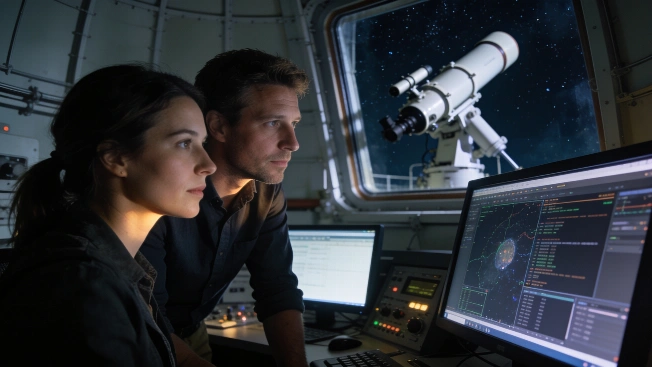
Hubble Reveals High-Speed Gas Bullets from Rare Helium Nova in Milky Way
Astronomers using Hubble and other observatories have observed V445 Puppis, the Milky Way's only known helium nova, ejecting dense gas clumps at speeds up to 32 million kilometers per hour