
Microbiome
2 reportsMicrobiome is a biological concept used to explain organization, inheritance, regulation, development, adaptation, or interaction. The concept is evaluated through evolutionary context, biological definition, and gene regulation, keeping formal definitions and assumptions separate from observations or consequences.
Work involving Microbiome is reported through molecular or cellular mechanism and experimental perturbation, with separate attention to variation across organisms or environments. The account anchors variation across organisms or environments in controlled experiments and uses comparative studies to test whether the pattern extends beyond one dataset; confidence is limited by the fact that effects can depend strongly on species, tissue, environment, and developmental stage.
Work involving Microbiome is reported through molecular or cellular mechanism and experimental perturbation, with separate attention to variation across organisms or environments. The account anchors variation across organisms or environments in controlled experiments and uses comparative studies to test whether the pattern extends beyond one dataset; confidence is limited by the fact that effects can depend strongly on species, tissue, environment, and developmental stage.
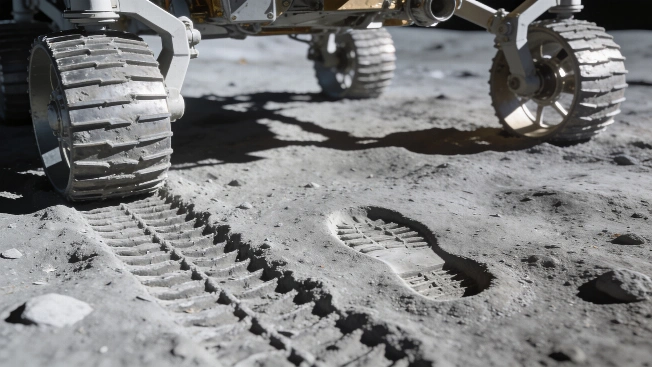
Study Finds Some Terrestrial Microbes Could Survive on the Moon
A new analysis suggests certain bacteria and fungi from Earth may persist in cryptobiotic states on the lunar surface, especially in shadowed polar regions, raising questions for future crewed missions and planetary protection
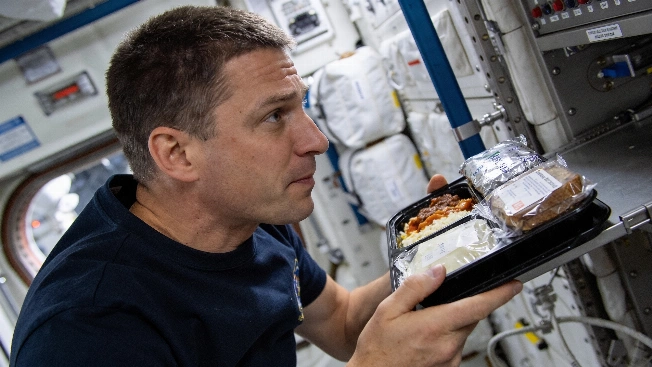
Microgravity Slows Digestion for Astronauts on the ISS, Study Finds
A new analysis of blood samples from 52 astronauts aboard the International Space Station reveals that microgravity alters gut function, slowing digestion and changing microbial activity in ways not fully explained by diet alone