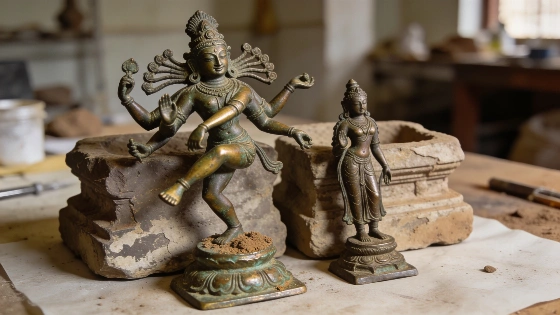
Found about a meter below the surface at Nagapattinam the paired bronzes are dated to the later Chola period from their style. Their excavation context and planned alloy analysis may help clarify how they were made and buried
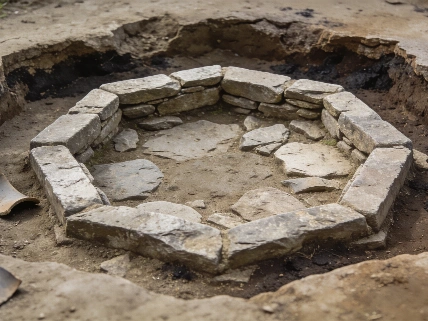
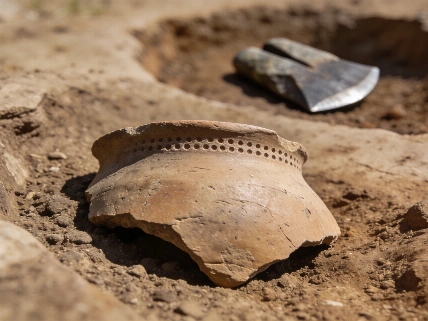
At Nagapattinam, two bronze figures lay about a metre beneath the surface with their respective pedestals. The Tamil Nadu State Department of Archaeology recovered them during a controlled excavation in the historic port city. The excavation began on 3 August 2026 as part of the department's 2026-27 programme; six trenches had been opened when the discovery was announced. The department described the figures as 12th-century Chola-period works, dating them by their iconography and artistic style.
Archaeologists date the figures to the 12th century CE, in the later Chola period. Their assessment rests on physical form, iconographic features, ornamentation and pedestal construction rather than a reported laboratory dating test. The Tamil Nadu excavation report describes the recovery and the objects' measurements.
A paired divine image
The larger statue depicts Nataraja, the dancing form of Shiva. It measures 110 centimetres high and 100 centimetres wide, and shows the four-armed deity performing the Ananda Tandava, or dance of bliss. One foot rests on Muyalakan, also known as Apasmara, a figure associated with spiritual ignorance, while the other is raised. The upper hands hold a drum and a flame; the lower right hand is raised in abhaya mudra, and the lower left forms gajahasta mudra.
In this form, Shiva's drum is associated with creation and his fire with destruction and change. A forward-facing hand commonly signals protection, while the raised foot is linked to liberation from ignorance. Together, these features express Hindu ideas about the universe and divine grace.
The second statue portrays Sivakami Amman, a form of Parvati and Shiva's consort. It is 82 centimetres high and 23 centimetres wide. Sivakami stands in tribhanga, a posture that curves the body at the neck, waist and knee. The two-armed figure is shown with kataka and dolahasta hand gestures. Images of the goddess were often paired with Nataraja as his companion and witness to the cosmic dance, and the two figures were recovered together with their pedestals. Their original temple or ritual setting has not been identified. The iconographic descriptions detail the postures and gestures represented in both bronzes.
Context and conservation
Chola bronzes served devotional purposes as sacred images and could be carried from temples during festivals and processions. Whether these two statues were used in processions is unknown. Nagapattinam's importance as a Chola maritime center, with connections across the Bay of Bengal, adds historical context to their recovery but does not establish how the figures were used.
A controlled excavation records where objects were found and how they relate to surrounding deposits. That context can shape interpretation, as in a possible Ramses II identification, where the original setting of monumental figures remains unresolved. Contemporary coverage described the Nagapattinam find as the first time the Tamil Nadu archaeology department had unearthed bronze idols through its own excavation.
The statues have been taken to Chennai for chemical conservation. Researchers are planning metallurgical analyses of the bronze alloys and manufacturing techniques; further study of the excavation context may help explain why the images were buried with their pedestals about 900 years ago. At the time the discovery was announced, excavation work at the site was continuing.