An assessment of known gold and silver finds challenges the idea that Viking-era raids forced Northumbria to abandon silver coinage, pointing instead to a deliberate shift toward lower-value coins for everyday exchange
During the first half of the ninth century, silver content in Northumbrian coins fell steadily before disappearing from the regular currency. New research indicates that the kingdom still had access to precious metals during this change, which marked a striking departure from the silver-based coinage used across much of early medieval western Europe.
In the study published in Antiquity, Dr John Luke Carson of Durham University examined known ninth-century gold and silver objects from Northumbria alongside the coin evidence. The inventory includes 27 securely dated silver finds and seven further likely silver examples, as well as 11 securely dated gold finds. A related tally records 23 securely dated silver-decorated objects and eight further likely examples.
The archaeological record documents precious metals in circulation and use beyond coinage while Northumbrian money was being debased. The study's interpretation is that the transition is better understood as an active monetary policy than as proof that the kingdom had become impoverished.
Coins for daily use
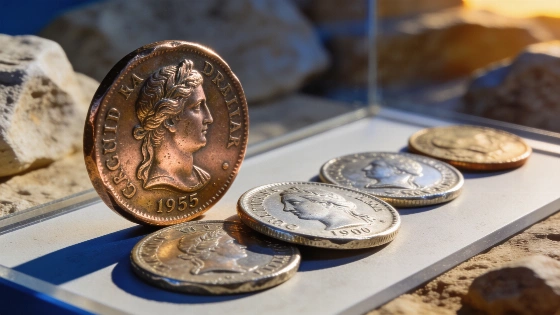
The change unfolded in stages. Northumbrian coins had contained as much as 40 percent silver before the proportion declined during the later reign of King Eanred, dated approximately 830-841. By the end of that process, the silver content had fallen to a maximum of about 10 percent. Silver then disappeared from regular coinage during the second reign of King Æthelred II, approximately 844-849. The resulting copper-alloy coins are now commonly called stycas, a name applied after the period.
Northumbria's copper-alloy coins were produced in considerably greater numbers than the silver coins they replaced. Their lower intrinsic value made them suitable for smaller transactions and could put more money into the hands of ordinary buyers and sellers. A separate report on a Roman coin assemblage in Hungary also examines coins as archaeological evidence, though it concerns a different region and period.
Wider use of coinage may have made monetary exchange more accessible to people who had previously relied less on coins. Greater mint production could also have created more opportunities for the Northumbrian monarchy to raise revenue through control of the monetary system. These are possible implications of the policy; the archaeological counts and coin-composition figures do not quantify mint output or revenue.
Reassessing the decline
Viking attacks on Northumbria began in the late eighth century and continued through the ninth. Earlier explanations proposed that raids and tribute depleted the kingdom's precious metals, prompting the move to cheaper coinage. Carson's study tests that explanation by considering gold and silver finds as well as the declining silver content of coins.
Carson's findings place the monetary shift against evidence that precious-metal objects continued to be present in ninth-century Northumbria. The study argues that the move to copper alloy was a deliberate economic choice rather than a straightforward response to silver scarcity. The finds do not mean Viking attacks had no economic effects; they show that the change in coin composition need not be treated as proof of a decisive kingdom-wide shortage.
Northumbria's copper currency continued until the Viking conquest of York in 867, which brought the kingdom's distinctive monetary system to an end. The sequence-from declining silver under Eanred to copper-alloy issues under Æthelred II-makes the transition a gradual change in the composition of money, not a single abrupt switch.