
Virtual Reality
1 reportVirtual Reality is a computing technology built from algorithms, software systems, data structures, interfaces, and operational constraints. Performance is judged through data processing, scalability, and system architecture, distinguishing laboratory demonstrations from reliable use outside controlled settings.
The main lines of inquiry around Virtual Reality include system architecture; protocols and interfaces; and performance and reliability. Measured findings and claims about protocols and interfaces are separated by comparing failure analysis with independent implementation; results can depend on workload, hardware, configuration, and threat model.
The main lines of inquiry around Virtual Reality include system architecture; protocols and interfaces; and performance and reliability. Measured findings and claims about protocols and interfaces are separated by comparing failure analysis with independent implementation; results can depend on workload, hardware, configuration, and threat model.
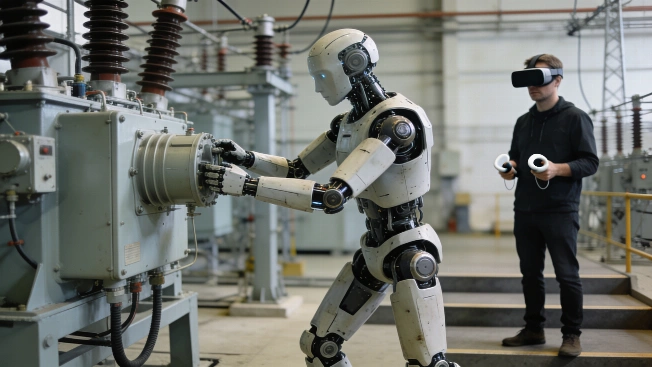
Roger brings humanoid teleoperation to hazardous work
Minerva's Roger pairs remote human control with onboard balance and navigation software for hazardous work. The company has raised about $10 million and plans paid pilots in fall 2026, but independent performance data are not yet public.