
Cretaceous-Paleogene Extinction
1 reportThe Cretaceous–Paleogene extinction was a global mass extinction about 66 million years ago that eliminated non-avian dinosaurs and many marine and terrestrial groups. A worldwide iridium-rich boundary layer, shocked minerals, ejecta, and the Chicxulub crater link the crisis to a large asteroid impact that disrupted climate and food webs.
For readers assessing Cretaceous-Paleogene Extinction, the relevant threads are Chicxulub impact evidence, while also considering iridium-rich boundary deposits and extinction selectivity. For extinction selectivity, the primary record comes from global section correlations, with independent proxy records providing a separate test; any broad claim must allow for the fact that regional gaps and dating uncertainty can blur duration, sequence, and causation.
For readers assessing Cretaceous-Paleogene Extinction, the relevant threads are Chicxulub impact evidence, while also considering iridium-rich boundary deposits and extinction selectivity. For extinction selectivity, the primary record comes from global section correlations, with independent proxy records providing a separate test; any broad claim must allow for the fact that regional gaps and dating uncertainty can blur duration, sequence, and causation.
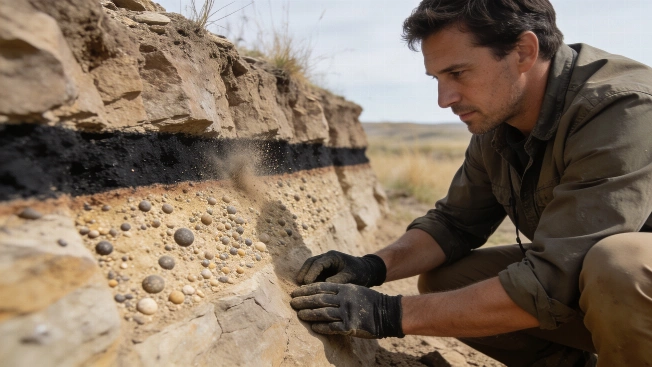
Chicxulub Dust May Have Fueled Lethal Firestorms
A new model of the Chicxulub impact includes ultrafine silicate dust found at fossil sites, suggesting surface temperatures may have become lethal within hours before a prolonged impact winter began