Charcoal preserved inside iron slag from a Bayanaul district site was radiocarbon dated in Japan, placing the evidence in the Golden Horde period and offering a glimpse of production within nomadic settlements
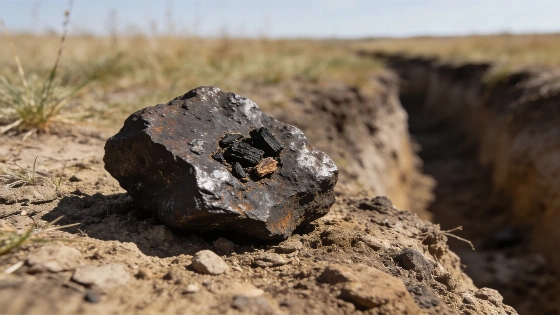
Research in north-eastern Saryarka has focused largely on burial and memorial complexes, leaving medieval settlements and everyday economic activity less studied. At a site in Bayanaul District, Pavlodar Region, iron slag containing preserved charcoal offers evidence of metal production in a settlement associated with the Golden Horde.
Dating the Evidence
Radiocarbon analysis in Japan dated the charcoal preserved in the slag to the late 13th century and the first half of the 14th century, according to a Science in Poland report published on 3 November 2026. The date relates to the charcoal sample, providing a timeframe for the ironworking evidence associated with it. Qazinform's regional listing carried the discovery item on 28 October 2026.
Iron slag is waste left by metal production. Its chemical composition and archaeological context can help identify the raw materials involved and the techniques used. Researchers at the Alkey Margulan Archaeological Research Centre at Toraighyrov University are continuing their analysis of the remains. Ilja Mierc, a Doctor of Historical Sciences and researcher at the centre, described traces of ironworking in medieval nomadic settlements as particularly important for studying their history.
Beyond Burial Sites
The find adds evidence of productive activity within steppe settlements to a regional archaeological record traditionally centered on burial and memorial complexes. Studying how nomadic communities obtained raw materials, produced tools and met everyday needs can help broaden understanding of economic life beyond those better-studied settings.
Archaeological investigations can focus on very different traces of past activity: a Puebla observatory study examined a monumental complex, while the Bayanaul evidence concerns metal production at a settlement.
Further analysis of the slag's composition is intended to clarify which raw materials were used and which ironmaking methods were employed.