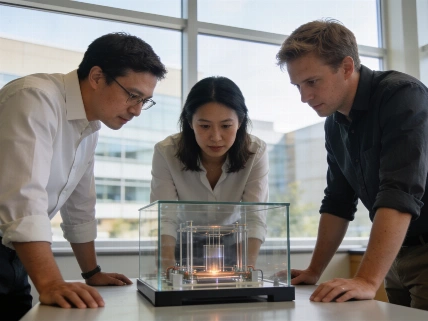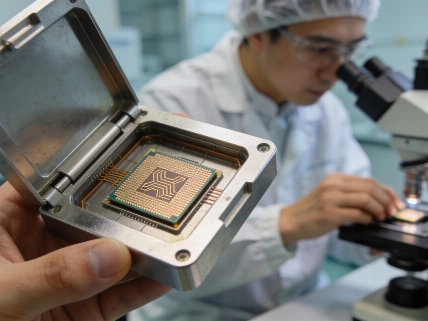
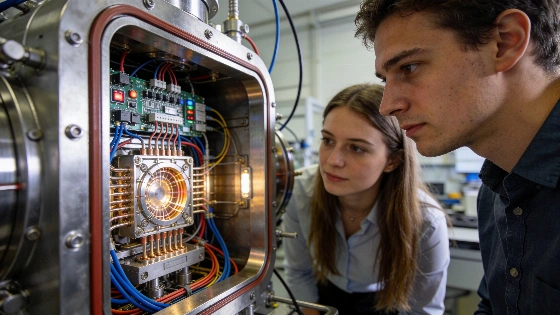
Horizon Quantum Computing and Quantum Machines have integrated embedded calibration routines into a superconducting quantum processor, aiming to reduce downtime and improve operational stability during live operation
Horizon Quantum Computing and Quantum Machines have announced the integration of embedded calibration routines into a modular superconducting quantum processor, aiming to address one of the persistent engineering challenges in quantum computing: maintaining stable device performance as system complexity increases. The collaboration focuses on developing lightweight, real-time calibration cycles that operate during normal system use, rather than requiring the processor to be taken offline for lengthy recalibration.
Superconducting Testbed and Control Platform
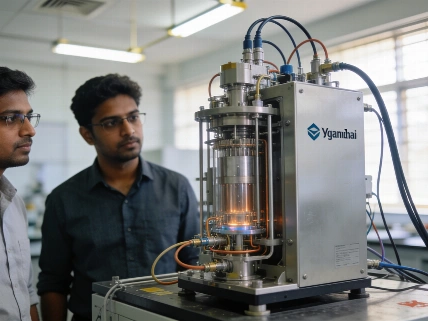
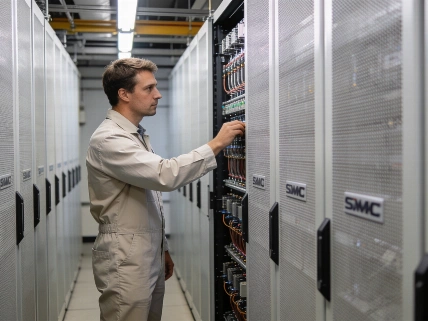
The joint effort is being implemented on Ember-1, Horizon Quantum Computing's modular superconducting quantum computer testbed. This platform is designed to support research into scalable quantum architectures and operational reliability. The embedded calibration routines are executed using Quantum Machines' OPX1000 quantum control platform, which orchestrates both quantum and classical operations. By embedding calibration directly into the control stack, the system can perform frequent, low-overhead adjustments to compensate for drift and noise without interrupting user access.
Reducing Downtime and Improving Stability
Traditional calibration of superconducting qubit systems often requires taking the entire processor offline for hours or longer, especially as the number of qubits grows and device variability increases. The new approach aims to maintain calibration dynamically, allowing the system to adapt to changing conditions in real time. According to the companies, this could significantly increase operational uptime for users accessing the Ember-1 testbed through Horizon's Triple Alpha integrated development environment. The embedded calibration routines are designed to replace full-system recalibration with targeted, continuous adjustments, potentially reducing the impact of environmental fluctuations and hardware drift.
Technical Evidence and Remaining Questions
While the companies have described the integration as a step toward more robust quantum operation, detailed performance data-such as the number of qubits calibrated, the frequency of calibration cycles, and the resulting improvements in gate fidelity or error rates-have not yet been released. The OPX1000 controller is being commercially validated within the deployed superconducting environment, but independent benchmarking and peer-reviewed results will be necessary to assess the practical impact of the approach. Similar efforts to improve quantum hardware reliability have been reported elsewhere, including initiatives to integrate trapped-ion and photonic systems for networked quantum computing, as seen in recent regional testbed deployments.
Scalability and Engineering Constraints
As quantum processors scale to larger numbers of qubits, calibration overhead and system downtime become increasingly significant barriers to practical use. Embedded calibration strategies must contend with device-to-device variability, crosstalk, and the need for rapid, accurate measurement of qubit parameters under changing conditions. The effectiveness of the approach will depend on the ability to maintain high-fidelity operation across all active qubits without introducing additional noise or control errors. The companies have positioned the collaboration as a commercial validation of the OPX1000 platform, but broader adoption will require transparent reporting of calibration performance, error rates, and system stability over extended operation.
Calibration is a critical process in quantum computing, especially for superconducting qubit systems where device parameters can drift over time due to temperature fluctuations, electromagnetic interference, and material imperfections. Effective calibration ensures that quantum gates operate with high fidelity and that measurement outcomes remain reliable. As systems grow in size and complexity, automated and embedded calibration routines become essential for maintaining performance without excessive downtime. However, the challenge remains to balance calibration speed, accuracy, and system availability, particularly as quantum processors move from laboratory prototypes toward more widely accessible platforms.