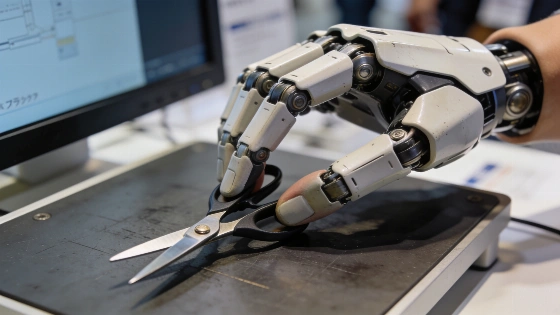
At CEATEC 2026 in Japan, Honda showed a human-scale robotic hand designed for remote physical tasks. Its sensors and durability tests offer measurable engineering evidence, though not proof of dependable work outside demonstrations
Reliable contact with everyday objects remains a stubborn problem for robots. Honda put that challenge on display with its Avatar Robot at CEATEC 2026, held October 13-16 at Makuhari Messe in Chiba, Japan. The project is designed to let a person perform physical tasks remotely through a teleoperated robot.
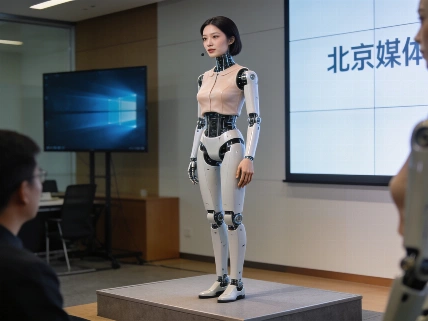
The wheeled humanoid platform stands about 170 centimeters tall, weighs about 110 kilograms and carries two multi-fingered hands. Honda pairs the hand with an AI assistance system to help the operator control movement and grasping. At the exhibition, the company compared operation with and without AI support, including remotely tightening screws on an engine case, as Response.jp reported. This was teleoperation, not a robot independently deciding how to complete a job. Honda says the aim is for the robot to work at a remote site like an extension of its operator.
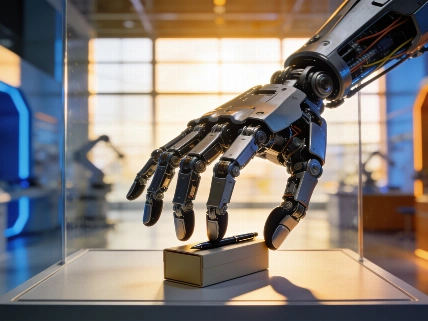
The hand's specifications outline its hardware capabilities. It has 16 actuated joints, each capable of continuous movement at up to 180 degrees per second. Each fingertip can apply up to 50 newtons of continuous force. Six-axis force-and-torque sensors and 288 tactile-sensor channels across the fingers and palm provide feedback on contact and grip. Honda's AI assistance analyzes the operator's eye and hand movements to help infer the intended object and grasp, while the operator stays in control.
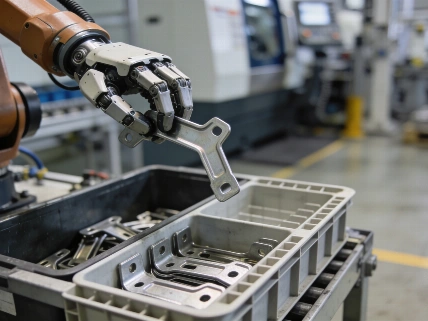
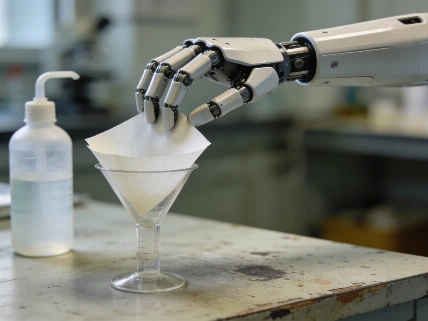
The hand is designed to use tools made for people, including screwdrivers and scissors. At CEATEC, Honda demonstrated remote screw tightening on an engine case. Other described capabilities include picking up a coin and opening a bottle cap; the hand can also reposition a screwdriver within its grip. Honda reports more than 450,000 durability cycles for the mechanism, including 24,000 cycles lifting a five-kilogram load. The company says the hand can thread a needle and tighten screws. It can also handle scissors and lift heavier objects.
These figures describe the hand's engineering tests and capabilities. They do not show how reliably the complete remote-control system would work in an operating facility. Nor do they establish how often a person would need to intervene or how the system would respond to unexpected contact. The CEATEC appearance was a technology demonstration, not evidence of autonomous task planning or routine field deployment.
Honda has linked the Avatar Robot concept to equipment maintenance and medical support. It also cites disaster response, with potential space operations among the proposed uses. The idea is to let people do physical work in places they cannot readily reach themselves. Remote operation could help specialists at distant facilities or people working in hazardous areas. Practical performance will depend on the complete robot and the operator's ability to sense what is happening through it.
The design is part of a wider effort to make humanoid robots handle tools and objects. A related Atlas hand report covered a different approach to robotic dexterity. That comparison offers context, but it cannot show which design performs better: the reports present no shared test or directly comparable results.
Teleoperation means a person controls a machine from a distance, while the machine carries out physical actions under that control. Assistance software can help interpret or manage the operator's input, but it does not make the system autonomous. Honda's CEATEC demonstration showed a remote operator manipulating tools and objects with a sensor-equipped hand. The practical test is whether the operator gets enough information to control contact reliably when the objects or circumstances differ from those in a demonstration.