OpenAI says a former employee moved about 100 confidential files to a personal account and later shared details of an unreleased product with an Apple executive; Apple denies the allegations
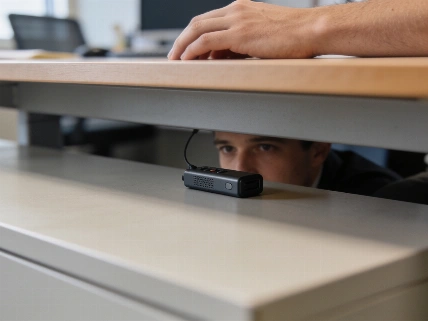
OpenAI's latest court filing says a former employee transferred more than 100 confidential files about at least one unreleased device to personal accounts and later presented the material to Apple executives. Reuters reported that the files included product images, engineering and manufacturing information, supplier details and other sensitive material. The employee had previously left Apple for OpenAI before returning to Apple, according to Bloomberg Law's account of the dispute.
OpenAI says the presentation took place months ago and points to Apple's recent release of its Home View product as a reason for concern. The Verge described some of the documents as covering cosmetic-finish standards, design files, and reports on coatings and seals for hardware components. OpenAI argues that the information could circulate among Apple engineers and inform future products. It has not established that Apple used any transferred information to develop Home View.
That distinction matters. A claimed file transfer and a product presentation do not, by themselves, show that Apple used trade secrets in engineering or product development. OpenAI said it was concerned that confidential information could circulate inside Apple, where engineers might use it to shape upcoming products. Apple says it has found no evidence supporting the allegation.
Apple also says it has procedures intended to stop new hires from using confidential information from previous employers. The competing claims remain allegations being tested through the legal process, not a finding that Apple received or exploited OpenAI's proprietary work.
The dispute runs in both directions. In July 2026, Apple sued OpenAI, its hardware chief and former Apple engineer Chang Liu, alleging they conspired to obtain confidential information about Apple's future products. Apple says the information concerned product design, manufacturing, component technologies, testing methods and its supply chain. It also alleges that some departing employees downloaded confidential files onto company laptops and that certain recruits received guidance on discussing their former work during interviews. OpenAI denies Apple's accusations.
On October 13, 2026, U.S. District Judge Edward Davila partly granted Apple's request for expedited discovery. The order requires OpenAI to provide forensic images of devices, certain summaries of interviews with Apple employees, LINE messages involving Liu and Alyssa Peng, and documents describing former employees' duties at OpenAI. Davila also approved depositions of three former Apple employees: OpenAI chief hardware officer Tang Yew Tan, Liu and Peng.
Davila declined several broader requests, including expedited access to research on specific engineering topics such as metal finishes and power management, and wider information about work former Apple employees performed after joining OpenAI. The order expands access to particular evidence; it does not decide whether either company misused trade secrets.
The records and depositions may establish what candidates were asked to share and what information OpenAI received during recruitment. Apple says Liu and Tan improperly accessed or used information about Apple products and technologies to advance OpenAI's consumer-hardware work. The claims remain contested as the companies exchange evidence.
The legal dispute concerns confidential engineering knowledge and employee movement, not whether either company's products demonstrate a particular AI capability. It is separate from scrutiny of AI oversight, including coverage of a New York City hearing focused on safety testimony.
OpenAI's hardware ambitions give the hiring dispute added commercial weight: the company is developing a consumer device that could eventually compete with smartphones if it becomes a central way to access software and services. That is a possibility, not an established outcome. The court has allowed targeted examination of hiring materials while declining broader access to OpenAI's hardware research.
A trade secret is confidential business information that a company seeks to protect from use or disclosure. In disputes involving departing employees, the central issue is not simply whether a person remembers technical knowledge, but what information was transferred, how it was used and whether it qualifies as protected material. The filings present competing allegations; they do not establish that Apple used OpenAI's information or that OpenAI misused Apple's.